publishing award-winning, innovative, and controversial feminist books since 1991
Spinifex Press is an award-winning independent feminist press, publishing innovative and controversial feminist books with an optimistic edge.
Read more about what makes Spinifex Press special. Discover our authors, learn more about subjects that interest you, and uncover a world of feminism and feminist resources.
Whether you are a general reader, bookseller, library or academic, you can sign up to a Spinifex Press newsletter that works best for you. Our most popular individual newsletter is The Spin Newsletter where we share monthly information about new releases, awards, events, special offers and more. Follow the prompts below to subscribe to the newsletter and follow the press on social media today!
What do Halloween, Atlantis, Subaru, the American Presidential elections, the Petticoat Lane markets in London, the ship Titanic and atlases all have in common? Each can be traced to the legends of the Seven Sisters of the Pleiades. Poets, priests, prophets, shamans, storytellers, artists, singers and historians throughout time have all gazed into the night skies and come under their spell.
Inspiring and captivating diverse civilisations, this star cluster has left an indelible mark on the human psyche. Munya Andrews, a Bardi woman from the Kimberley region of Western Australia, examines the myths and legends of the Pleiades from Indigenous and ancient cultures around the world. Designated at M45 on astronomy charts and maps, the nine visible stars are named after the Seven Sisters from Ancient Greek mythology, and their parents, Atlas and Pleione.
Around the world, people looked to the skies to tell them when to sow and harvest their crops, and when the rains would come. The ‘sailing stars’ have guided explorers and endless migrations of people. In Old Europe, among the Ainu of Japan and in Indigenous Australia the Pleiades were associated with water and birds. They become Oceanids, Ice Maidens, Water Girls and the Subaru. The Parthenon in Athens, the Great Pyramid of Giza in Egypt and the Mayan Temple of the Sun in Cuzco, are all said to be aligned with the Pleiades. The Seven Sisters of the Pleiades will amaze and awe you, and above all will remind you that all of humanity shares the night skies.
2004 | ISBN 9781876756451 | Paperback | 217 x 138 mm | 368 pp
Looking for a Gift Card? Discover more here.
BACK IN PRINT
What do Halloween, Atlantis, Subaru, the American Presidential elections, the Petticoat Lane markets in London, the ship Titanic and atlases all have in common? Each can be traced to the legends of the Seven Sisters of the Pleiades. Poets, priests, prophets, shamans, storytellers, artists, singers and historians throughout time have all gazed into the night skies and come under their spell.
Inspiring and captivating diverse civilisations, this star cluster has left an indelible mark on the human psyche. Munya Andrews, a Bardi woman from the Kimberley region of Western Australia, examines the myths and legends of the Pleiades from Indigenous and ancient cultures around the world. Designated at M45 on astronomy charts and maps, the nine visible stars are named after the Seven Sisters from Ancient Greek mythology, and their parents, Atlas and Pleione.
Around the world, people looked to the skies to tell them when to sow and harvest their crops, and when the rains would come. The ‘sailing stars’ have guided explorers and endless migrations of people. In Old Europe, among the Ainu of Japan and in Indigenous Australia the Pleiades were associated with water and birds. They become Oceanids, Ice Maidens, Water Girls and the Subaru. The Parthenon in Athens, the Great Pyramid of Giza in Egypt and the Mayan Temple of the Sun in Cuzco, are all said to be aligned with the Pleiades. The Seven Sisters of the Pleiades will amaze and awe you, and above all will remind you that all of humanity shares the night skies.
2004 | ISBN 9781876756451 | Paperback | 217 x 138 mm | 368 pp
What do Halloween, Atlantis, Subaru, the American Presidential elections, the Petticoat Lane markets in London, the ship Titanic and atlases all have in common? Each can be traced to the legends of the Seven Sisters of the Pleiades. Poets, priests, prophets, shamans, storytellers, artists, singers and historians throughout time have all gazed into the night skies and come under their spell.
Inspiring and captivating diverse civilisations, this star cluster has left an indelible mark on the human psyche. Munya Andrews, a Bardi woman from the Kimberley region of Western Australia, examines the myths and legends of the Pleiades from Indigenous and ancient cultures around the world. Designated at M45 on astronomy charts and maps, the nine visible stars are named after the Seven Sisters from Ancient Greek mythology, and their parents, Atlas and Pleione.
Around the world, people looked to the skies to tell them when to sow and harvest their crops, and when the rains would come. The ‘sailing stars’ have guided explorers and endless migrations of people. In Old Europe, among the Ainu of Japan and in Indigenous Australia the Pleiades were associated with water and birds. They become Oceanids, Ice Maidens, Water Girls and the Subaru. The Parthenon in Athens, the Great Pyramid of Giza in Egypt and the Mayan Temple of the Sun in Cuzco, are all said to be aligned with the Pleiades. The Seven Sisters of the Pleiades will amaze and awe you, and above all will remind you that all of humanity shares the night skies.
New and Recently Published
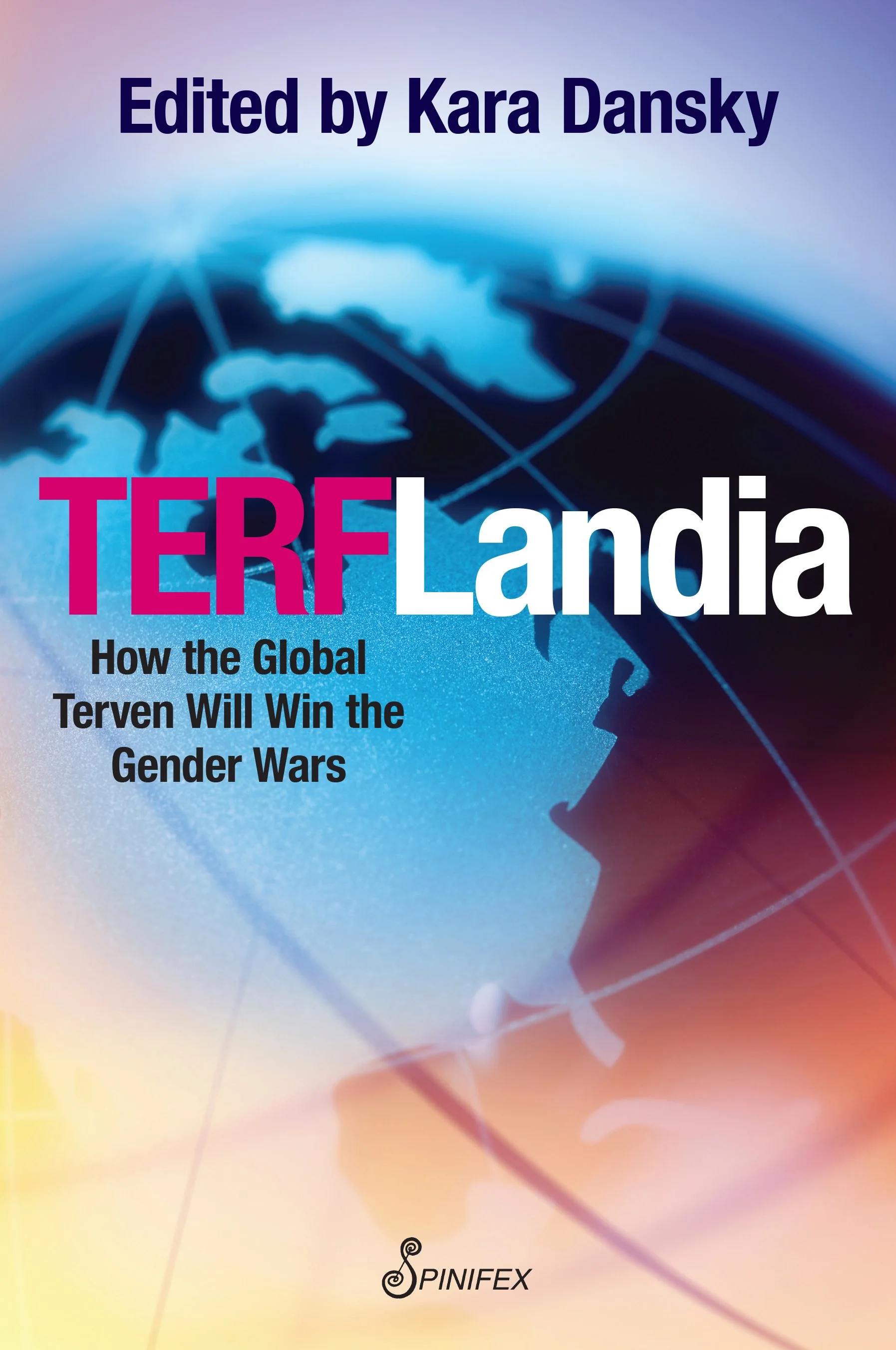
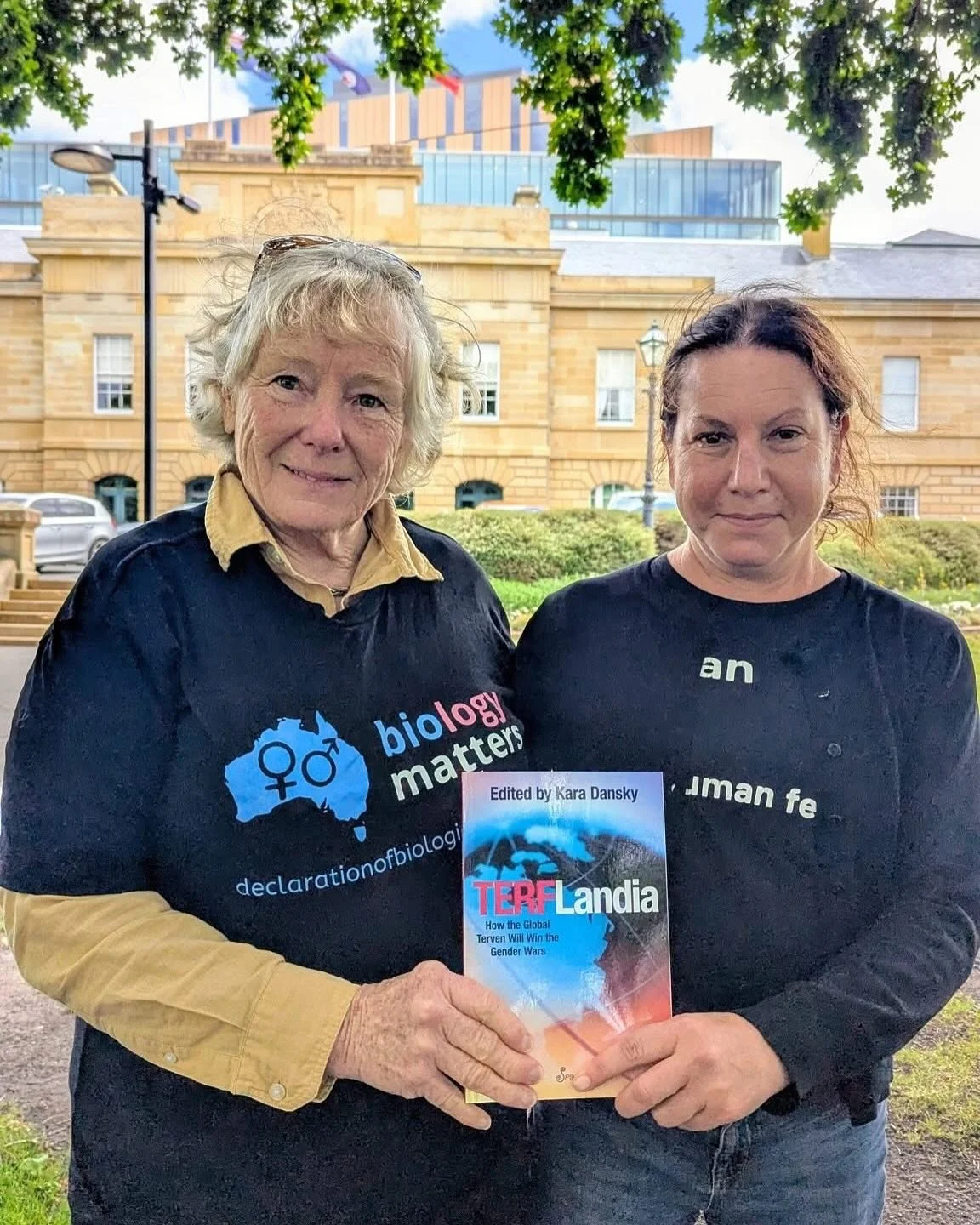
Kara Dansky (editor)
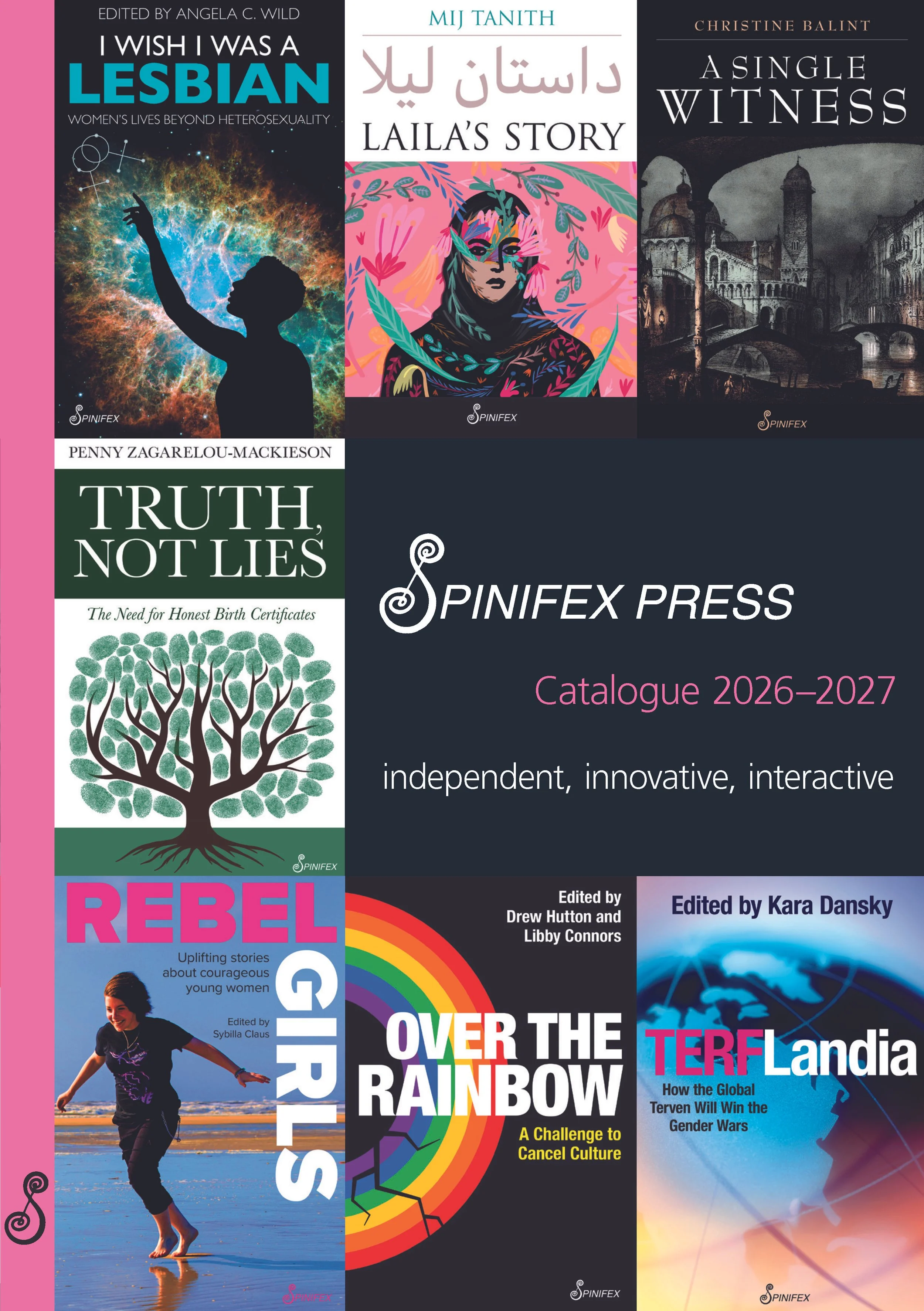
Just over a decade ago, and gaining steam thereafter, a massive debate began raging about what a woman is, whether or not sex is real, and if it is, whether it matters less than claimed ‘gender identities’. This debate has been raging globally. It has been raging loudly for those of us in the middle of it, but much more quietly for the multitudes who do not yet quite understand it. As the contributors from around the world explain, the debate started in the 1990s, but it took some time to erupt in the mainstream. These are the ‘gender wars’, or, if you like, the ‘trans wars’.
The ‘gender wars’ arose because women and men who call themselves ‘transgender’ started to impose their beliefs on others. Men who call themselves women (‘transgender women’) demanded that women and girls agree with them. They demanded access to female-only spaces such as toilets, locker rooms, and changing rooms. They demanded access to lesbian spaces such as clubs and dating apps. They demanded to be permitted to participate and compete in women’s sports. They wanted access to everything that is meant to be exclusively for women and girls.
And so, out of the wilderness grew a community of women labeled ‘TERFs’. The acronym originally stood for ‘trans exclusionary radical feminist’. It was meant to refer to the radical feminists who, early on, fought the idea that some men could be women if they put on a dress, or if they had their penises removed, or even if they just said they were women (self-ID). Many women would go on to reclaim the acronym for ourselves. We are the TERFS, or its plural, Terven. We are all over the world, and we are the women winning the gender wars on behalf of women and girls as a sex class and on behalf of the material reality of sex.
6 OCTOBER 2026 | 9781922964427 | Paperback | 152 × 229 mm | 248 pages
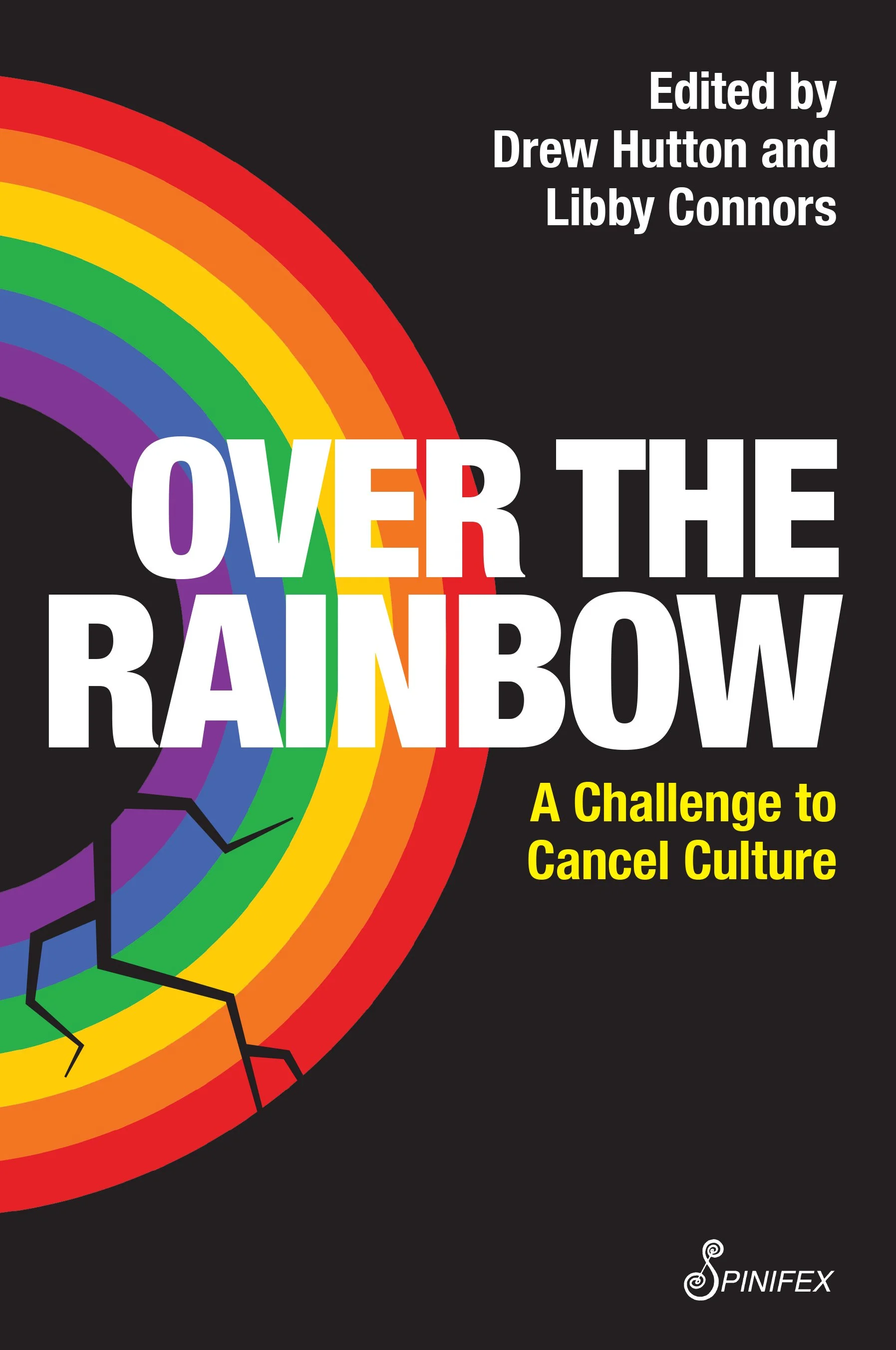
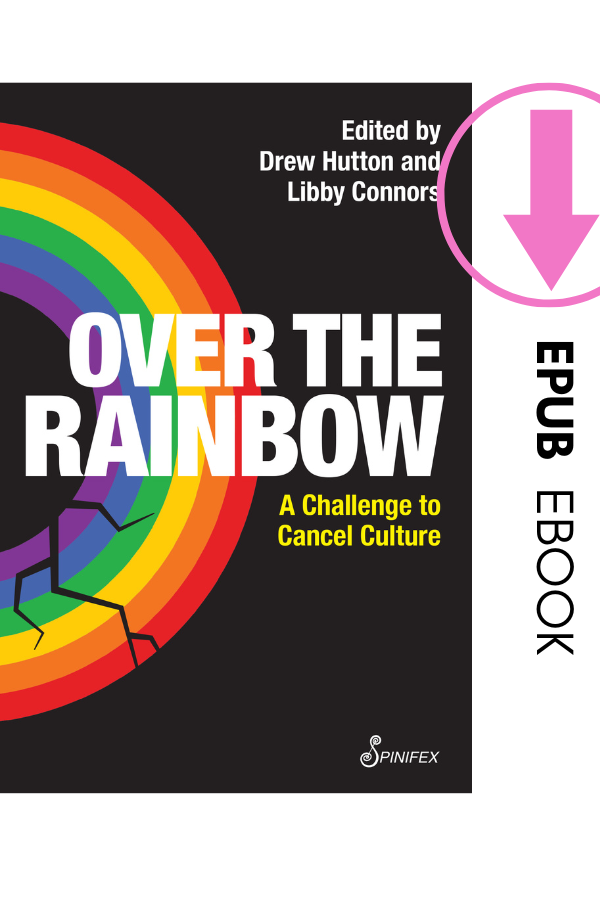
Drew Hutton and Libby Connors (editors)
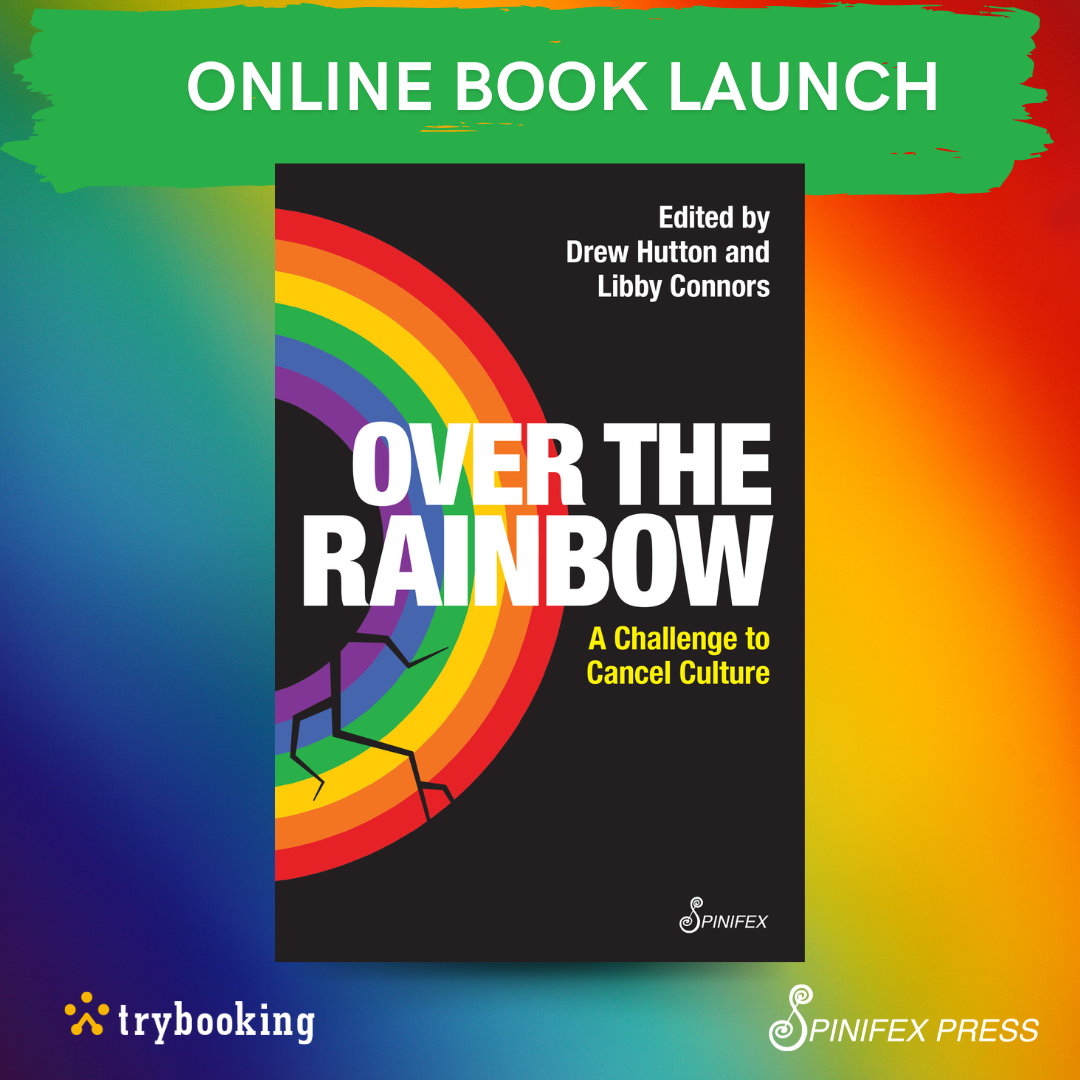
Why have liberal democracies with proud traditions of democracy and free speech become obsessed with hate speech laws and are anxious about offending citizens’ feelings? Is the issue of trans rights simply a matter of being kind to a minority group who already have the same rights as everyone else?
The writers and editors in Over the Rainbow examine how concerns about the welfare of a small minority have been turned into an ideology that challenges the rights of women, lesbians, and gay men, as well as gaining control of many of the institutions of our society. Even biology and science itself are under threat. A new set of ‘facts’ about sex and gender swept across the English-speaking world and Europe over the past decade disrupting Green and left parties’ long-standing commitments to the rights of women.
Over the Rainbow brings together writers in the fields of community services, therapy and medicine, politics and theory, workplace and sporting culture, the arts and law to explore the stultifying impact that dogmatic adherence to trans ideology has had on everyday life and culture. Together they articulate the underpinning theory and philosophy of gender ideology as well as to explain how these ideas were applied within organisations to override free speech and shut down dissent. This new dogma has embedded itself across the English-speaking world and this book includes writers from the USA, Canada and the United Kingdom, as well as Australia to illustrate its rigidity and negative impacts on civic culture. Free speech and civil society organisations have been essential to the success of representative democracy. The writers in this book hope to contribute to a re-opening of civic discourse.
8 SEPTEMBER 2026 | 9781922964441 | Paperback | 152 × 229 mm | 328 pages
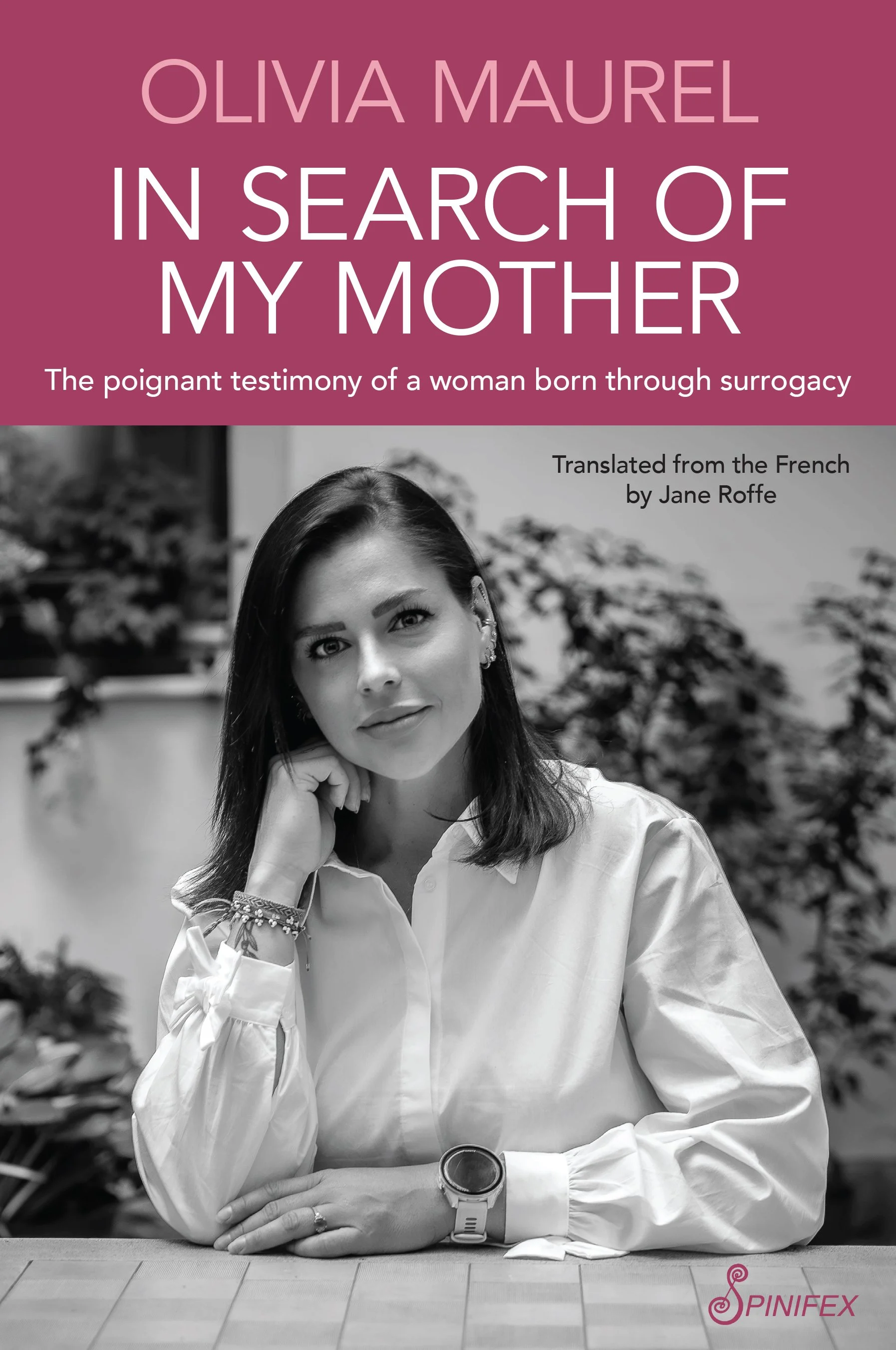
Translated from French by Jane Roffe
Olivia Maurel is 35 years old, married and mother to three children.
She was ‘made to order’ for a wealthy French couple; born to a surrogate mother in Kentucky, USA. She did not know about the circumstances of her birth until she was 30 years old when a DNA Ancestry test revealed US relatives and no French genetic heritage. Surrogacy is a practice in which a woman agrees to carry a child for another person (or couple) and then has the baby taken away from her at birth. She may be paid for this, or not.
In Search of My Mother is Olivia Maurel’s autobiography. She looks back at her childhood lived between France and the USA. In spite of her affluent lifestyle, she felt lonely, not belonging and missing a spiritual connection to her mother. Her trauma led to excessive drinking and drugtaking; she was raped and had a painful pill abortion. It was only when she met her husband that her life became more stable and happier. But dark feelings never completely left her.
This changed abruptly when the DNA test revealed her origins. Olivia Maurel reveals the joys and difficulties of getting in touch with her mother and half-siblings.
Drawing on her own experience, Olivia Maurel has become a fierce abolitionist. She now calls surrogacy the objectification of women's bodies, the deprivation of surrogate mothers’ freedom, and the falsification of their consent. Surrogacy also involves high-risk pregnancies and the contractual purchase of a child.
As the spokeswoman for The Declaration of Casablanca – an international group wanting to abolish all forms of surrogacy globally – Olivia travels the world in pursuit of this task. In Search of My Mother is a powerful and moving testimony to the misery surrogacy creates for the children born in this unscrupulous way. Surrogacy is a human rights violation of women and children that needs to be stopped.
7 JULY 2026 | 9781922964380 | Paperback | 152 × 228 mm | 204 pages
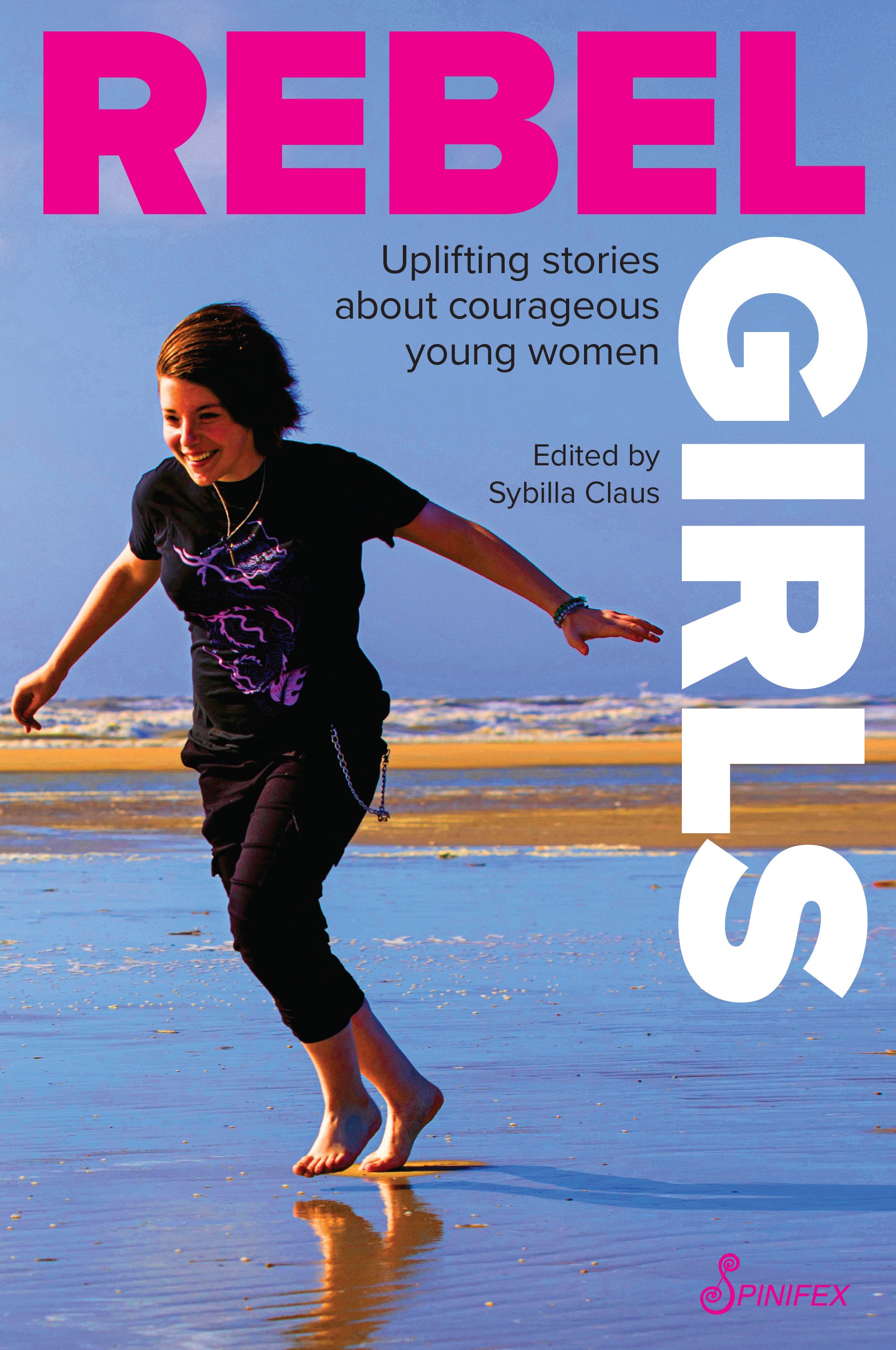
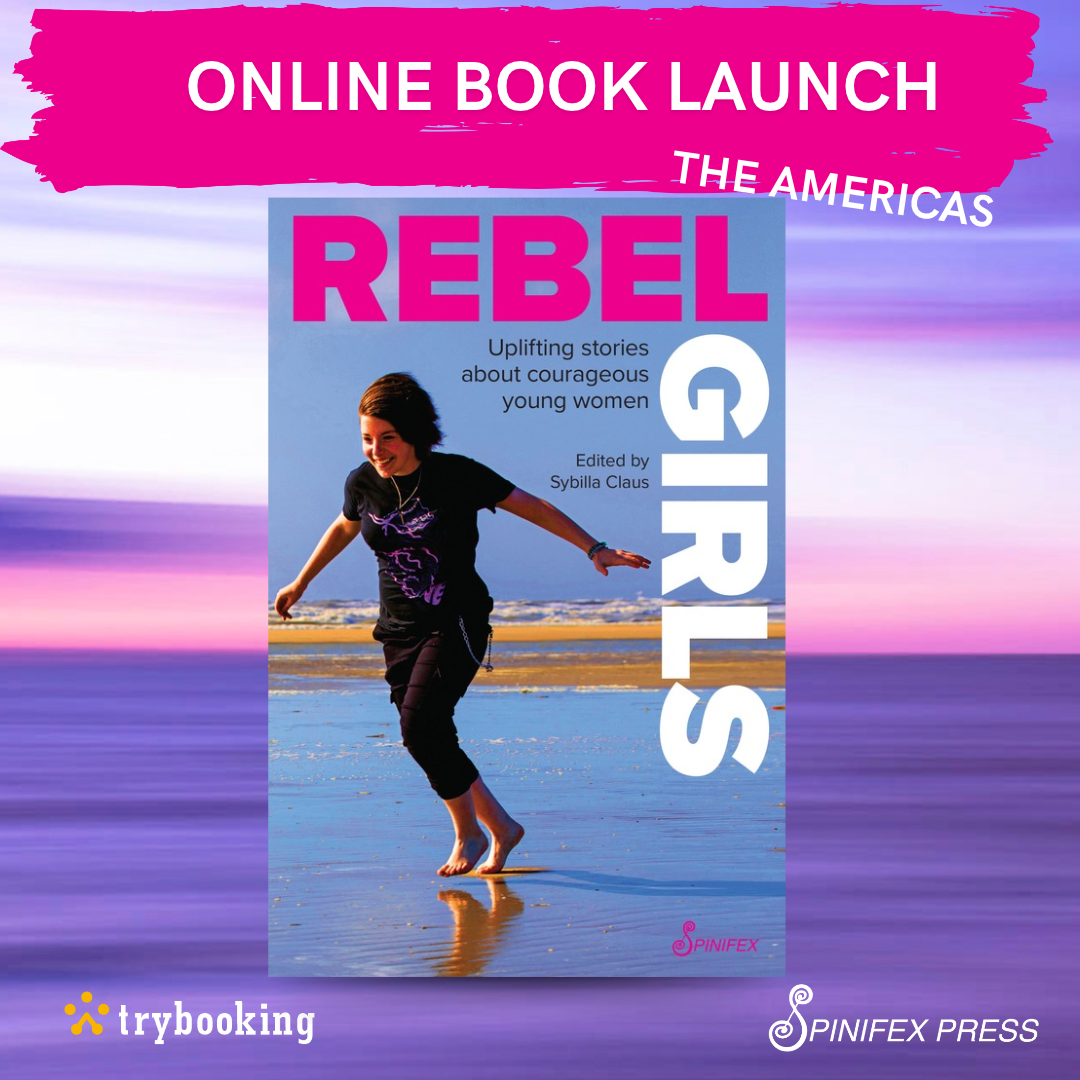
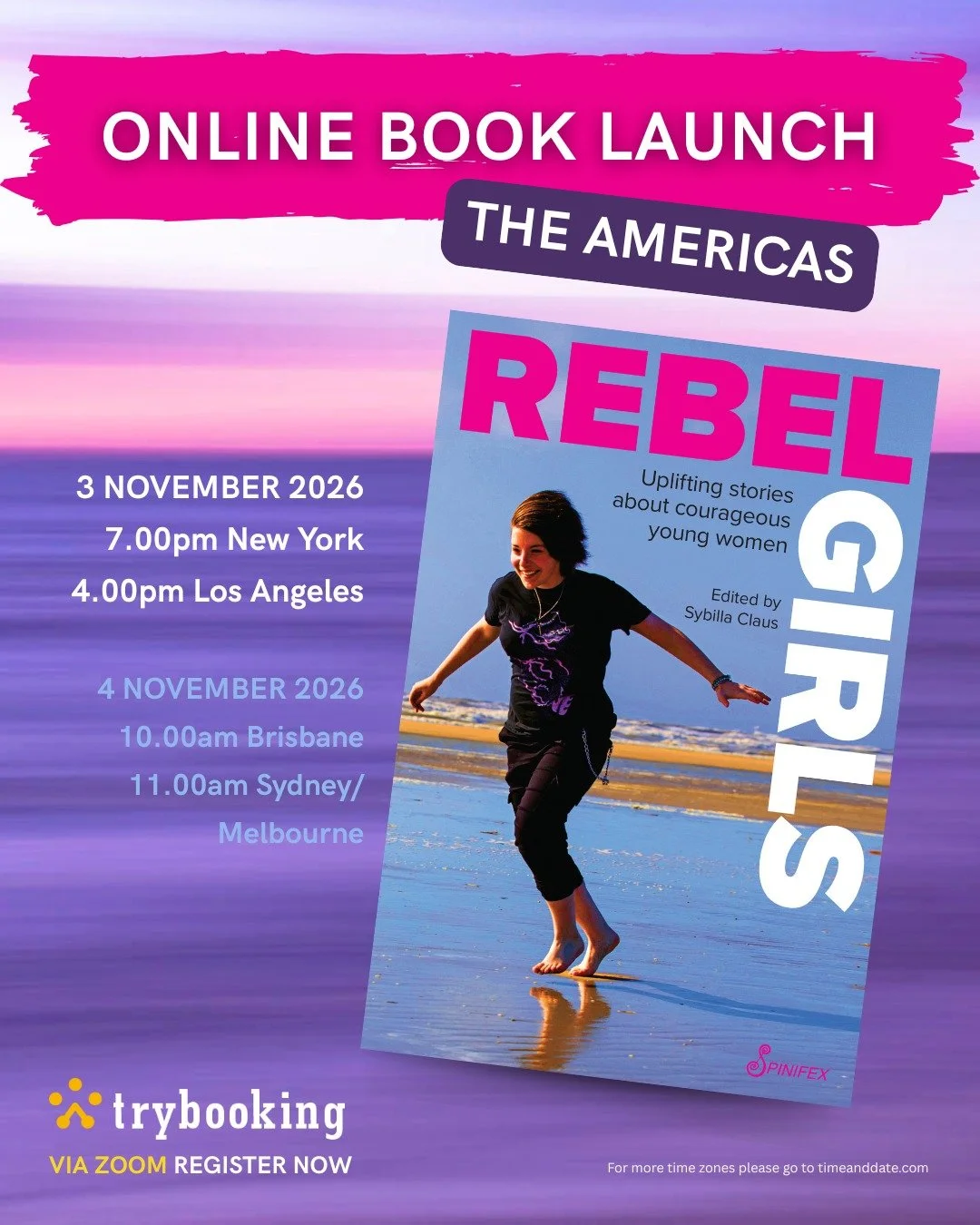
edited by Sybilla Claus
Beneath a layer of perfect selfies, the mental well-being of teenage girls is deteriorating. Those who don’t conform to the ideal shape or size struggle with a lack of self-confidence, fear, and doubt. Girls are confronted with discrimination, bullying, diagnoses of autism and ADHD or are denied the daily freedoms accorded to boys.
But there is hope. This book tells the stories of young rebels who have managed to fight against the sex stereotypes and find their own way. Fifty contributors from various countries including The Netherlands, USA, Taiwan, Denmark, China, Afghanistan and Spain pose important questions that you don’t often hear discussed about what it means to be a girl in the modern world. We hear from experts such as Finnish psychiatrist Riittakerttu Kaltiala and Holly Moreau from Fanfiction USA who share their work with girls and dissect the cultural forces at play. There are also the stories from girls and women themselves who explain how they are navigating the complex challenges faced by girls in the 21st century.
The future for girls is crucial for the future of everyone. This uplifting collection demonstrates how the next generation is continuing the radical feminist fight to expose misogyny and find autonomy, confidence, enjoyment and independence in their lives.
16 JUNE 2026 | ISBN 9781922964403 | Paperback | 152mm x 228mm | 400 pages
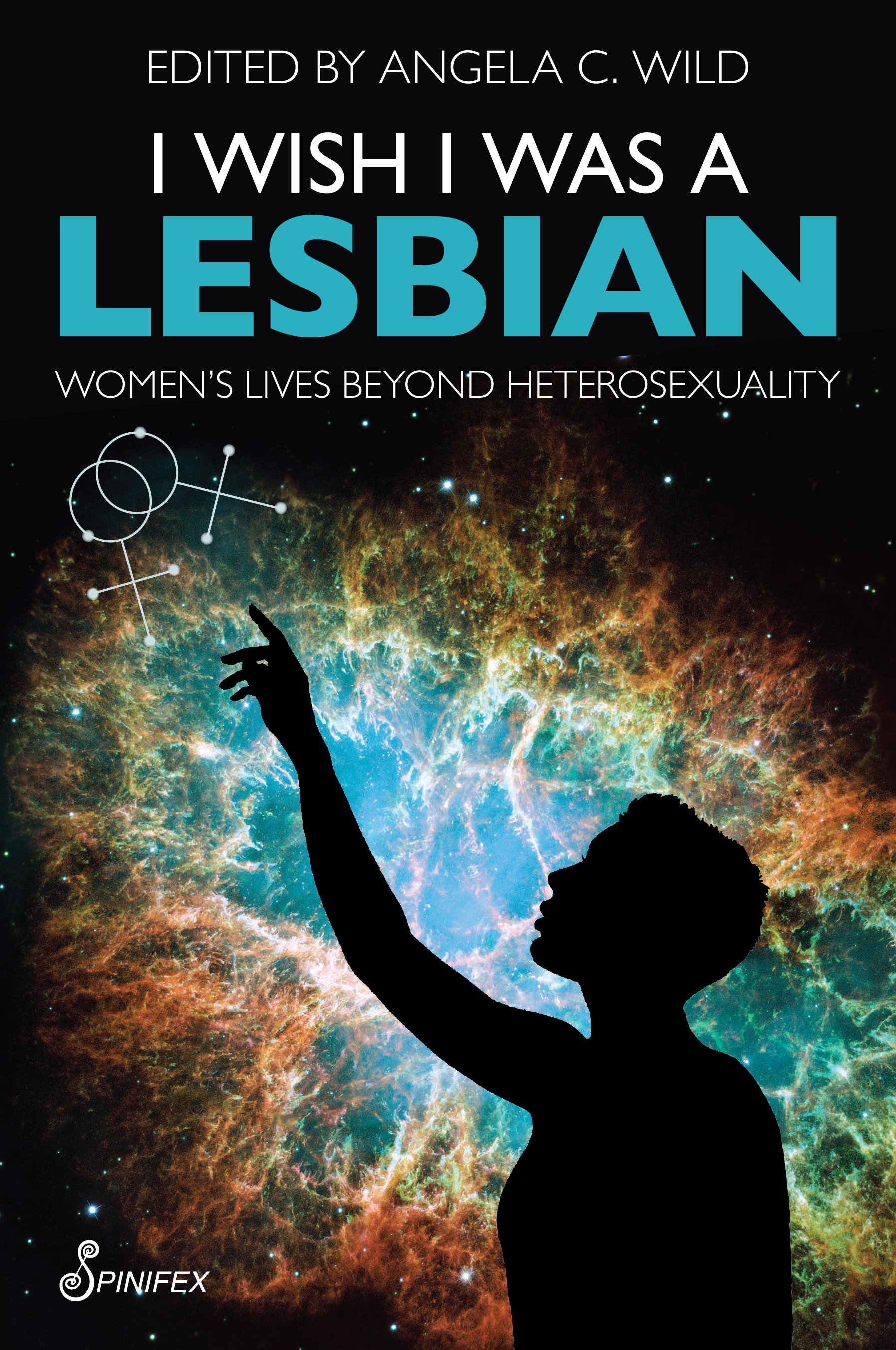
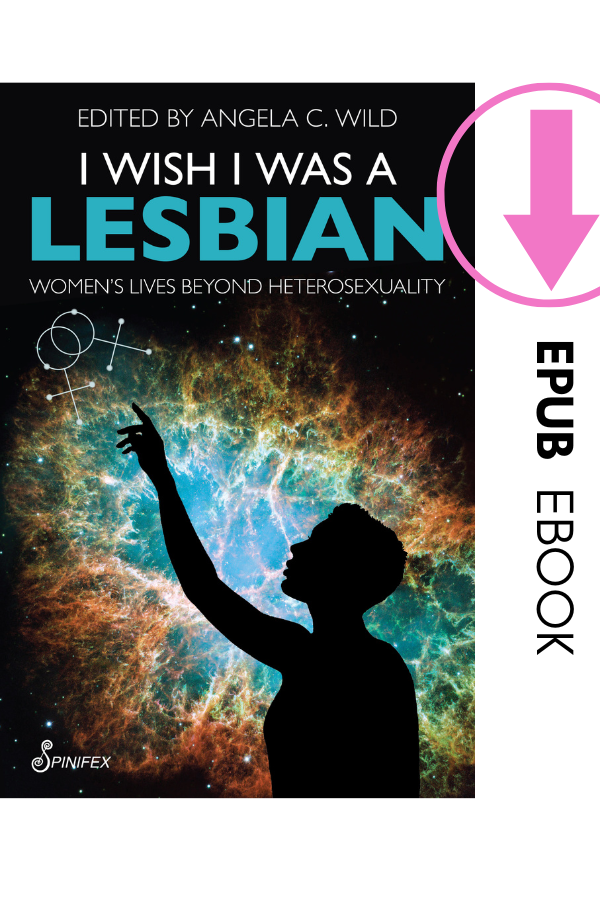
Edited by Angela C. Wild
What if heterosexuality wasn’t innate, but enforced and expected?
Can sexuality change?
Can any woman be a lesbian?
Bringing together women across cultures and generations – from lifelong lesbians exploring their experiences through a lesbian feminist lens, to women consciously leaving heterosexuality behind to embrace lesbianism – I Wish I Was a Lesbian addresses those questions and more. Once understood as the cornerstone of patriarchal control of women, any current political analysis of heterosexuality is now buried under an avalanche of essentialist ideas that serve to invisibilise its political nature and de-radicalise feminism. From autobiographical and theoretical essays to poetry and artworks, I Wish I Was a Lesbian defies taboo and silencing and reopens the conversation. It challenges the notion that heterosexuality is the natural and inevitable fate of most women.
There are many forces keeping women in heterosexual relationships. The latest is to accuse lesbians who have had previous relations with men of being ‘not real lesbians’, ‘pretenbians’ or ‘bisexuals’. But the idea that lesbians are ‘born that way’ is not based in either reality or science. There are no lesbian genes or lesbian brains. For women currently rejecting men and saying they wished they were lesbians but don’t know how to get there, this book offers a vital tool for political reflection and consciousness raising. It invites women everywhere to connect the personal with the political and to ask themselves the most radical question of all: “What is heterosexuality – and do I really want to be part of it?”
The feminist revolution made us the heroes of our own stories.
—Lynn AldersonWe are lesbians not because we cannot help it; we are lesbians because we want to be lesbians, despite all patriarchal obstacles. — Ananda Castaño
5 MAY 2026 | ISBN 9781922964304 | Paperback | 152mm x 229mm
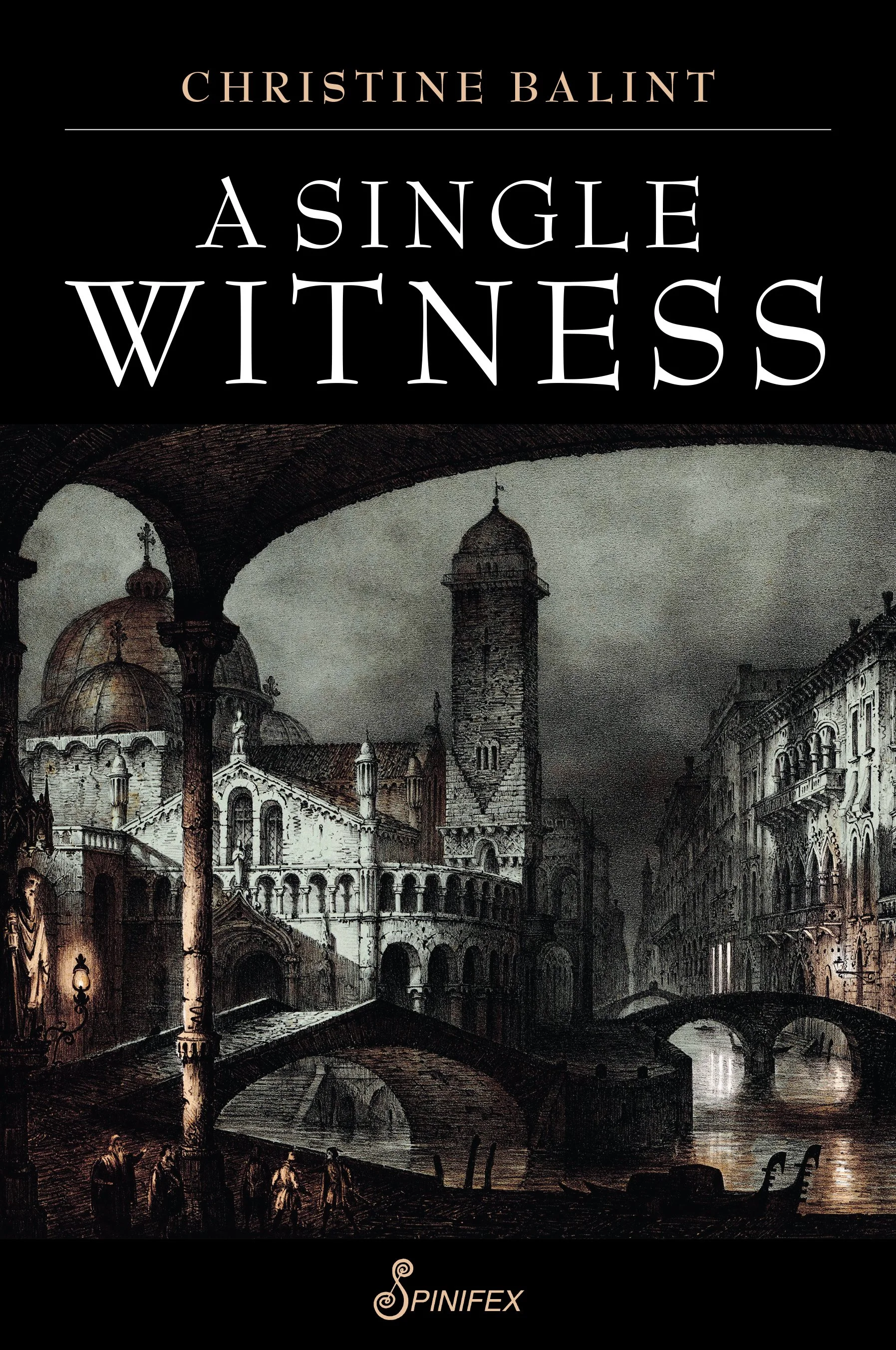
It is 1756. In the mountain village of Piovene, outside Venice, 13-year-old Anna Maria Bonon lives a spartan life with her grandmother and father. In the daytime, she cards wool at the local mill. At home, she raises silkworms. She is afraid of her violent father, Giacomo, who scrambles for work and drinks his sorrows away at the osteria. When Giacomo is arrested for a public brawl, Anna Maria and her grandmother walk miles to the court in Vicenza.
But instead of trying to free him, Anna Maria accuses her father of unspeakable crimes that he committed against her. The Council of Ten from Venice arrive to investigate. She is the single witness.
Challenged by her grandmother and the local priest to say she lied, Anna Maria is torn between loyalty to her elders and telling the truth.
Set against the evocative background of the fecund Veneto region, A Single Witness provides an insight into 18th century village life in Italy where being a young girl with an abusive father is a tough reality that would have crushed many others.
Drawing closely on original trial documents from Venetian archives, prize-winning novelist Christine Balint brings to light the true story of Anna Maria Bonon and her brave pursuit of justice at a time when a man’s authority over his family was unquestioned.
MAY 2026 | ISBN 9781922964342 | Paperback | 152 mm x 228mm | 320 pages
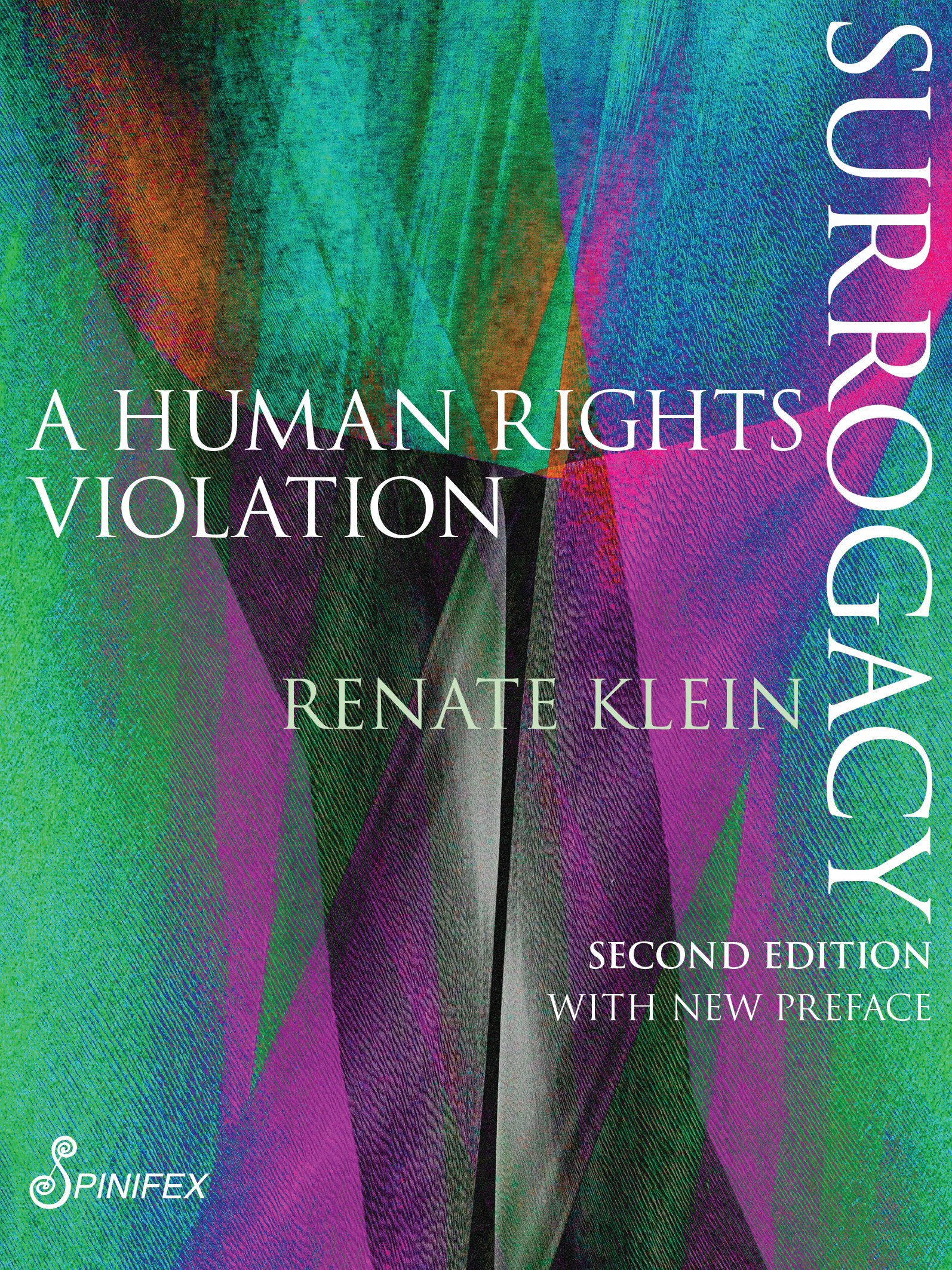
WITH NEW PREFACE
Pared down to cold hard facts, surrogacy is the commissioning/buying/ renting of a woman into whose womb an embryo is inserted and who thus becomes a ‘breeder’ for a third party.
Surrogacy is heavily promoted by the stagnating IVF industry which seeks new markets for women over 40, and gay men who believe they have a ‘right’ to their own children and ‘family foundation’. Pro-surrogacy groups in rich countries such as Australia and Western Europe lobby for the shift to commercial surrogacy. Their capitalist neo-liberal argument is that a well-regulated fertility industry would avoid the exploitative practices of poor countries.
Central to the project of cross-border surrogacy is the ideology that legalised commercial surrogacy is a legitimate means to provide infertile couples and gay men with children who share all or part of their genes. Women, without whose bodies this project is not possible, are reduced to incubators, to ovens, to suitcases. And the ‘product child’ is a tradable commodity who has never consented to being a ‘take away baby’: removed from their birth mother and given to strangers aka ‘intended parents’. Still, those in favour of this practice of reproductive slavery speak of ‘Fair Trade Surrogacy’ and ‘responsible surrogacy’.
In Surrogacy: A Human Rights Violation Renate Klein details her objections to surrogacy by examining the short- and long-term harms done to the so-called surrogate mothers, egg providers and the female partner in a heterosexual commissioning couple. Klein also looks at the rights of children and compares surrogacy to (forced) adoption practices. She concludes that surrogacy, whether so-called altruistic or commercial can never be ethical and outlines forms of resistance to Stop Surrogacy Now. www.stopsurrogacynow.com
It is the global advertising campaigns that groom infertile couples and gay men that have led to the establishment of multibillion cross-border industries: money made literally from women’s flesh.
MARCH 2026 | ISBN 9781922964366 | Paperback | 180 x 135 mm | 272 pp
THIS BOOK IS PART OF THE SPINIFEX SHORTS COMPLETE COLLECTION & THE STOP SURROGACY NOW COLLECTION
when we were new
such formal words
in your email
please, you wrote
for myself and my daughters
can I call you Mum
like our friend Mr Friday?
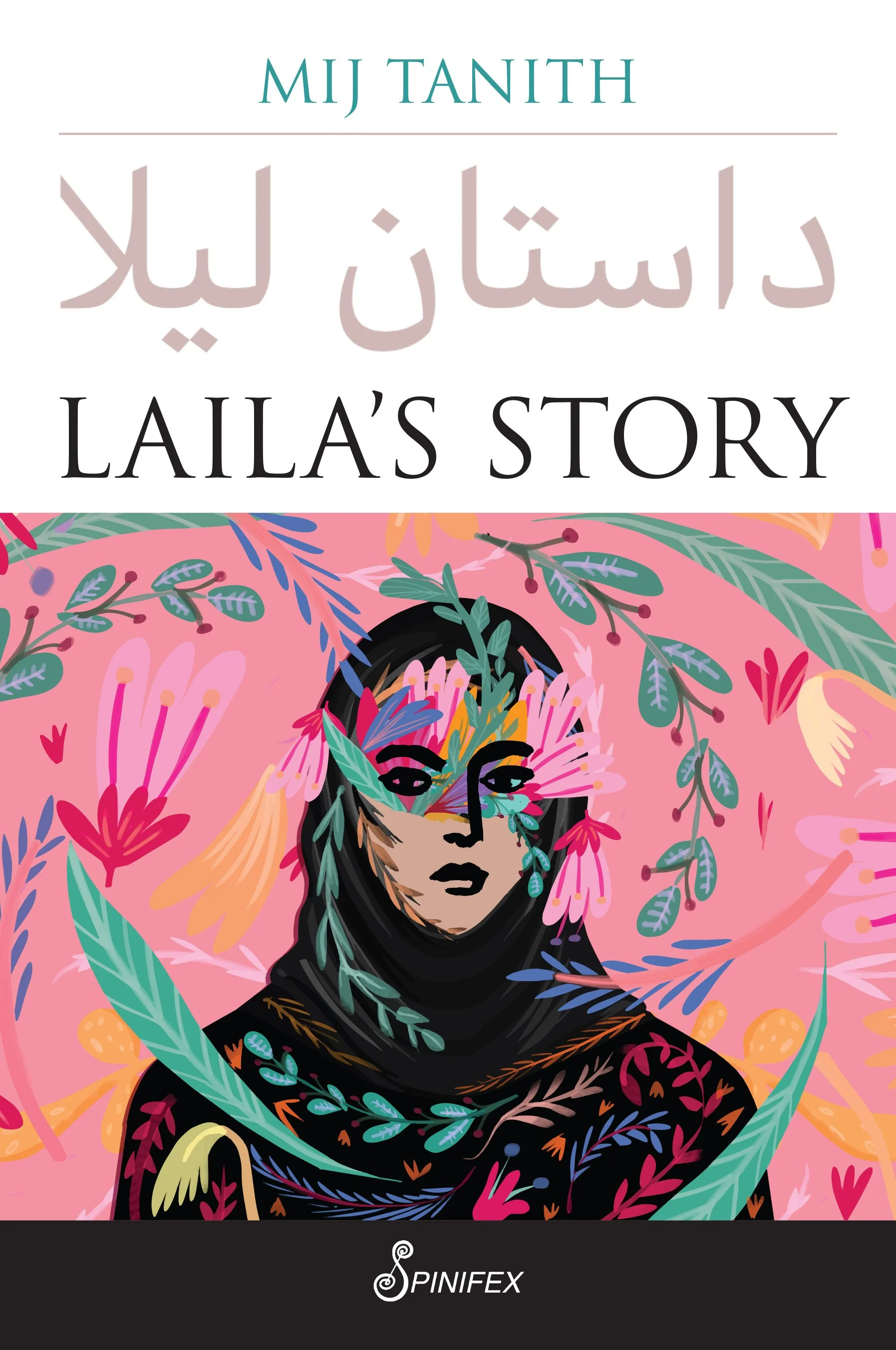
In January 2023, an Afghan man – a long-term refugee living in Australia – walks into the home of two older women in Adelaide. What begins as a simple request for help evolves into a year-long journey of connection, resilience, and unexpected friendship. Through the story of Laila, a single mother with five daughters, and her growing relationship with the author, this work explores the power of human connection across seemingly insurmountable divides of language, culture, age, sexuality, and faith. Laila and her daughters now reside in Australia.
3 MARCH 2026 | ISBN 9781922964328 | Paperback | 152 mm x 229mm | 104 pages
Events
Watch our online book launches, interviews and more on our YouTube Channel.
Recent Events
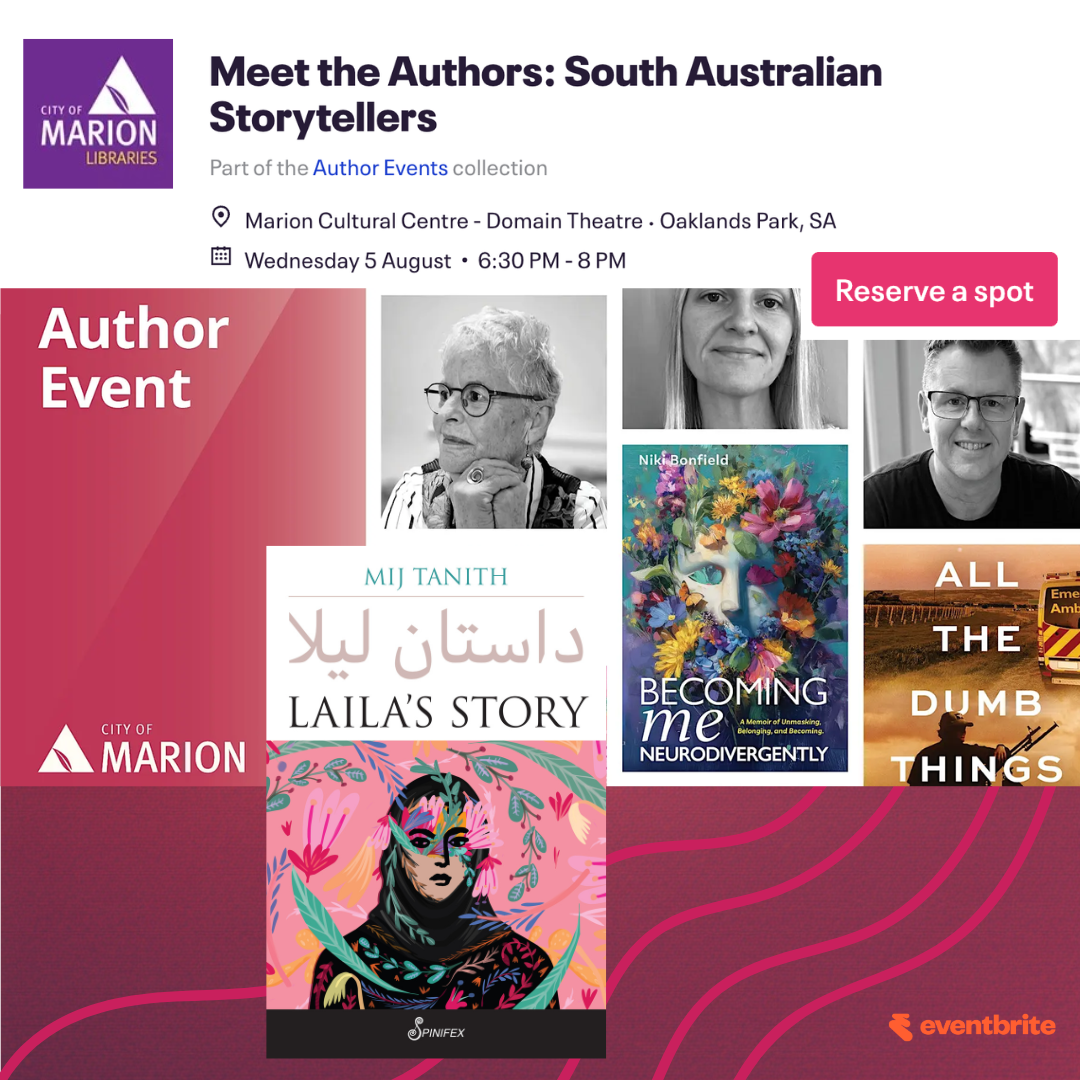
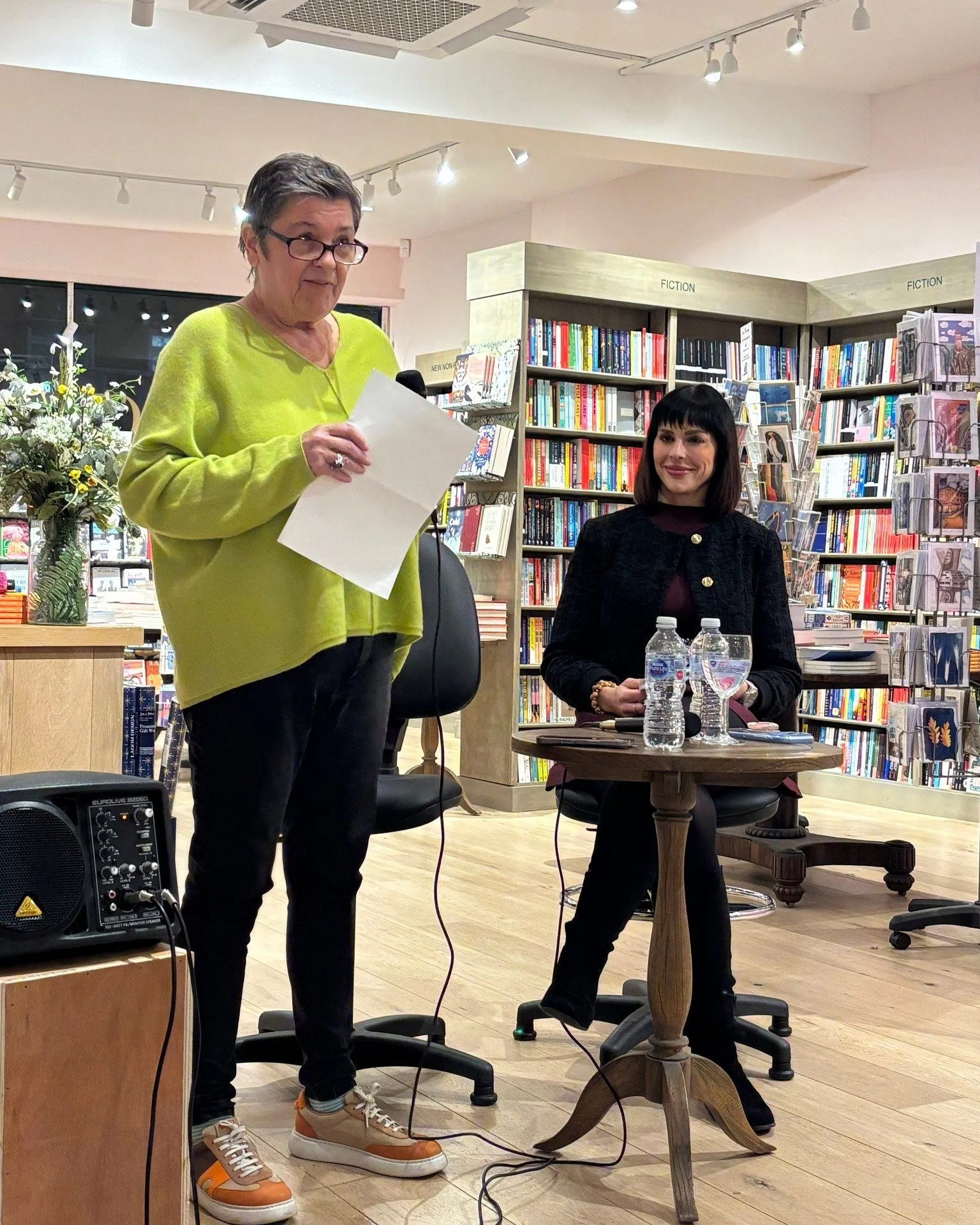
Join City of Marion Libraries for an evening of unique South Australian stories with authors Mij Tanith, Niki Bonfield and Daniel O’Neil - each sharing a remarkable personal story.
Follow us on social media and subscribe to our newsletter to keep up-to-date with Events
Our ebooks are available from ebook sites however you can also buy ebooks directly from our site in PDF and EPUB formats. Please visit the ebook store for more information.
To an observer I am simply a sleeping patient in a hospital bed in recovery. One of rows and rows and rooms full of us. But what small miracles are occurring? How do we right ourselves, our physical bodies, and bring the rest—psyche, soul, ether—into alignment? Protection is required lest one surfaces with fault lines …
Loretta Smith is renowned as the bestselling author of A Spanner in the Works, the biography of Alice Anderson, the ‘garage girl’. Now in Corpus in Extremis, Loretta shares the details of her own fascinating and incredible life; a life in which she has had to negotiate the pain, physical restrictions, and medical interventions of Osteogenesis Imperfecta, also known as brittle bone disease.
She shows that despite being a patient for a lifetime, she has survived, and even thrived with an imaginative brain more agile than her body. You will be charmed, challenged, and will laugh out loud at her wit and ingenuity and as she embarks on travel, engages in work, grapples with family and relationships and takes up creative endeavours, all while enduring continuous medical treatments.
Loretta explores what it is to reside in a body pushed to the extreme; what it is to be human, to be fractured, to be whole and to heal. She lucidly argues that nobody escapes being disabled, disenfranchised or othered in one way or another.
As long as we stand in light there is always shadow, always something to challenge truth, justice, knowledge, physical and mental wellbeing. As humans we are at once strong, yet vulnerable, immutable and forever changing.
Corpus in Extremis is an extraordinary story of survival and resilience against considerable challenges centred around Smith’s brittle bones. Despite all, she tells her memoir with vigour and good humour taking the ‘dis’ out of disability and wiping the floor with it.
—Sara Hardy, author of The Unusual Life of Edna Walling and A Secretive Life
This exquisitely written memoir tells compelling tales about broken bones and heartbreak, as well as about one extraordinary woman’s strong-willed and creative mind and quiet courage. While Smith navigates difficulties unimaginable to most of us in her everyday, she’s woven out of their painful threads such a vital story of a passionately lived life that I found it difficult to part with the book when it came to an end.
—Lee Kofman, author of The Writer Laid Bare and Imperfect
2024 | ISBN 9781922964076 | 200 pages
In the nineteenth century Charles Dickens wrote his novels as serials; in the late twentieth century Merrilee Moss conjures up a new kind of serial fiction: of ghosts, of crime, of satire and of lesbian desire.
When the ghostly Fedora interrupts Julie Barnard's morning coffee in Brunswick Street, Julie's life is set to change. An out-of-work PI, Julie is seduced by Fedora's French accent and flamboyant hats, but soon discovers that wearing beautiful hats is a dangerous activity.
2001 | ISBN 9781922964496 | 88 pages
Sandy Jeffs was born in Ballarat in 1953. She was diagnosed with schizophrenia in 1976, a time when recovery was seen as unlikely. She was in and out of institutional care for 15 years, including at the infamous Larundel Psychiatric Hospital.
Sandy was among the first to start speaking publicly about living with a mental illness, and much of her writing - including eight volumes of poetry - has been about her struggle to live a full life. She is well-known as a community educator, speaking to doctors and psychiatrists, at community health centres, and educational institutions. She has been honoured in the Victorian Honour Roll of Women, Her Place Women’s Museum, and with an OAM in 2020.
Flying with Paper Wings offers insights into madness – medical, social, personal – as well as disturbing reflections on its causes and its care. It is also a story of how poetry can become a personal saviour in the face of nearly irresistible forces. This edition is an updated edition based on the original text.
Read this exceptional book. It takes you beyond your own narrow terror towards something that might be called insight.
—Helen Elliott, The Age
Awards:
Highly Commended Certificate in the Human Rights Commission’s Non-Fiction Award 2010
SANE Book of the Year 2010
Shortlisted for The Age Book of the Year Award, 2010
MARCH 2024 | 9781925950946 | Paperback | 152 x 229mm | 278 pages
Thousands of pages of books, millions of characters in tweets and hundreds of blogs have been devoted to explaining the distinction between sex and gender, but far from clarifying anything, bewilderment for ordinary people is only growing.
The concept of gender is central to a vaguely progressive-looking set of ideas based on the maxim that people possess a so-called ‘gender identity’. The real problem arises when this nebulous concept, bandied about with different and even incompatible meanings by different groups, is used as a prop to introduce policies that mark a huge setback for the rights of women and girls. The general public, watching the controversy from the sidelines, is confused by conflicting claims about whose rights are being infringed.
In this incisive book, Laura Lecuona sets the record straight by reviewing the origin of the current uses of the key term gender and exploring the main theories of transgenderism. She discusses what lies behind the claims about pronoun usage and warns about the consequences of promoting the recognition of so-called transgender children. She points out the collateral damage arising from this activism, from the perpetuation of sexist roles to limitations on freedom of speech. She dares to confront the accusations of transphobia that often inhibit those who question the foundations of this financially-driven and increasingly dominant ideology and shows the devastating effects transactivism is having on women, both socially and politically.
Gender Identity: Lies and Dangers is essential reading for the urgently needed conversation we need to have about whose interests are being served with the advancement of transgender ideology and what this means for women’s sex-based rights.
Laura Lecuona’s book is remarkable in scope and a dose of political sanity that is badly needed.
—Janice G. Raymond
FEBRUARY 2024 | 378 pages
What if heterosexuality wasn’t innate, but enforced and expected?
Can sexuality change?
Can any woman be a lesbian?
Bringing together women across cultures and generations – from lifelong lesbians exploring their experiences through a lesbian feminist lens, to women consciously leaving heterosexuality behind to embrace lesbianism – I Wish I Was a Lesbian addresses those questions and more. Once understood as the cornerstone of patriarchal control of women, any current political analysis of heterosexuality is now buried under an avalanche of essentialist ideas that serve to invisibilise its political nature and de-radicalise feminism. From autobiographical and theoretical essays to poetry and artworks, I Wish I Was a Lesbian defies taboo and silencing and reopens the conversation. It challenges the notion that heterosexuality is the natural and inevitable fate of most women.
There are many forces keeping women in heterosexual relationships. The latest is to accuse lesbians who have had previous relations with men of being ‘not real lesbians’, ‘pretenbians’ or ‘bisexuals’. But the idea that lesbians are ‘born that way’ is not based in either reality or science. There are no lesbian genes or lesbian brains. For women currently rejecting men and saying they wished they were lesbians but don’t know how to get there, this book offers a vital tool for political reflection and consciousness raising. It invites women everywhere to connect the personal with the political and to ask themselves the most radical question of all: “What is heterosexuality – and do I really want to be part of it?”
The feminist revolution made us the heroes of our own stories.
—Lynn AldersonWe are lesbians not because we cannot help it; we are lesbians because we want to be lesbians, despite all patriarchal obstacles. — Ananda Castaño
MAY 2026 | ISBN 9781922964311 | 302 pages
Kajsa Ekis Ekman
Translated by Kristina Mäki
A brilliant examination of the intellectually incoherent and anti-feminist character of gender identity theory
In this groundbreaking book, Swedish feminist and Marxist, Kajsa Ekis Ekman, traces the ideological roots of the new definition of woman. She shows how biological determinism is back – but minus the biology. So too are stereotypes: womanhood is no longer about having a vagina, but pink ribbons and dolls. Masculinity is no longer synonymous with having a penis but with war and machines. We are told being a woman is a gender identity that anyone can claim and that can only be determined by one’s own feelings.
In countries such as Norway, Canada, Argentina, Australia and New Zealand, self-identity laws have already been enacted that give anyone the right to change his or her legal sex. At the same time, the industry for gender reassignment surgery is growing at an unprecedented pace. Seven out of ten teenagers who seek interventions are now girls.
The new definition of sex has been hailed as progressive. But is it really? What ideology is expressed by it? What consequences will it have? And for whom?
FEBRUARY 2023 | 380 pages
Drew Hutton and Libby Connors (editors)
Why have liberal democracies with proud traditions of democracy and free speech become obsessed with hate speech laws and are anxious about offending citizens’ feelings? Is the issue of trans rights simply a matter of being kind to a minority group who already have the same rights as everyone else?
The writers and editors in Over the Rainbow examine how concerns about the welfare of a small minority have been turned into an ideology that challenges the rights of women, lesbians, and gay men, as well as gaining control of many of the institutions of our society. Even biology and science itself are under threat. A new set of ‘facts’ about sex and gender swept across the English-speaking world and Europe over the past decade disrupting Green and left parties’ long-standing commitments to the rights of women.
Over the Rainbow brings together writers in the fields of community services, therapy and medicine, politics and theory, workplace and sporting culture, the arts and law to explore the stultifying impact that dogmatic adherence to trans ideology has had on everyday life and culture. Together they articulate the underpinning theory and philosophy of gender ideology as well as to explain how these ideas were applied within organisations to override free speech and shut down dissent. This new dogma has embedded itself across the English-speaking world and this book includes writers from the USA, Canada and the United Kingdom, as well as Australia to illustrate its rigidity and negative impacts on civic culture. Free speech and civil society organisations have been essential to the success of representative democracy. The writers in this book hope to contribute to a re-opening of civic discourse.
SEPTEMBER 2026 | 9781922964458 | 328 pages
She inspected her knitting. “A yarn imagines itself, you know,” she murmured,” from separate strands. Every story is made of strands, too, of worlds that keep unfolding simultaneously along the same yarn. You can spot one at a time or, rarely, a multitude swarming—though no yarner can ever glimpse both the individual tale and the swarm at the same moment. Imagination can conceal while it reveals. Sooner or later, though, everything gets used.”
In Parallax, Robin Morgan’s most radiant prose, spare but sensuous, welcomes you into her dazzling imagination. This is a story about storytelling––a set of shorter tales which, like Russian dolls, nest and fit together to reveal a larger one.
A fable for the future, a prediction about the past, Parallax is a luscious story that enfolds you and demands immediate rereading the moment you finish, a story that surprises you and invites you to play with the patterns inside its paradoxes, a story whose characters will accompany you for the rest of your life.
2019 | 192 pp
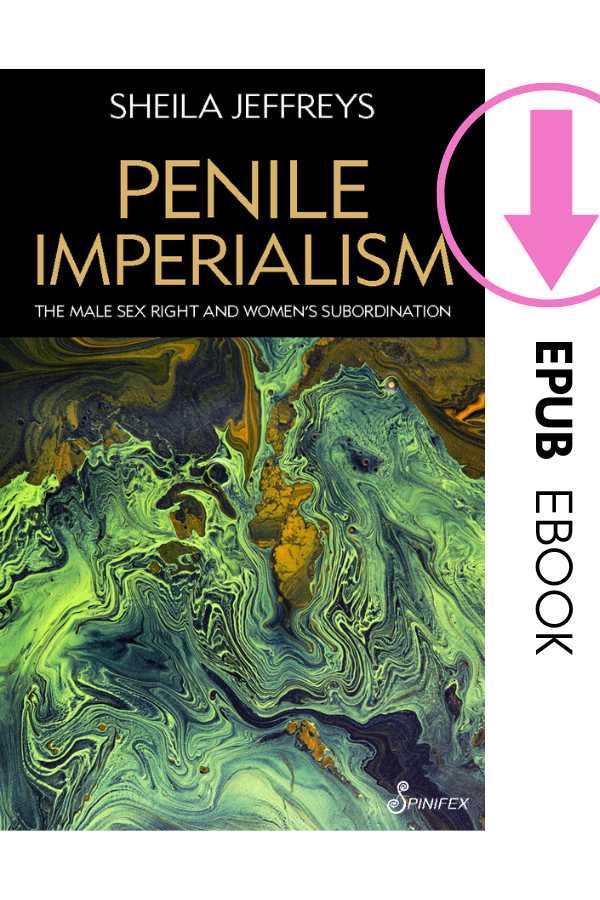
In this blisteringly persuasive and piercingly intelligent book, Sheila Jeffreys argues that women live under penile imperialism, a regime in which men are assumed to have a ‘sex right’ of access to the bodies of women and girls.
She reasons that the ‘sexual revolution’ that began in the 1960s unleashed an explicit male sexual liberation and that even now, under current laws and cultural mores, women do not have the right to self-determination in relation to their bodies.
Sheila Jeffreys argues that the exercise of the male sex right has mainstreamed misogynist attitudes and so-called sexual freedom has meant the freedom of men to use women and children with impunity.
The power dynamics of sex, rather than being eliminated, has been eroticised, supported by state regulations and structures that have further entrenched male domination. And while men’s sexual fetishisms such as BDSM and transvestism have been normalised, women now have to fight as their spaces are being erased and their voices silenced in a faux inclusivity that has ‘naturalised’ sexual harassment.
Sheila Jeffreys contends that women’s human rights are profoundly harmed and sexual violence is used more than ever to enforce social control of women.
This is a sobering and brilliant analysis of the modern predicament of women that is impossible to ignore.
SEPTEMBER 2022 | 376 pages
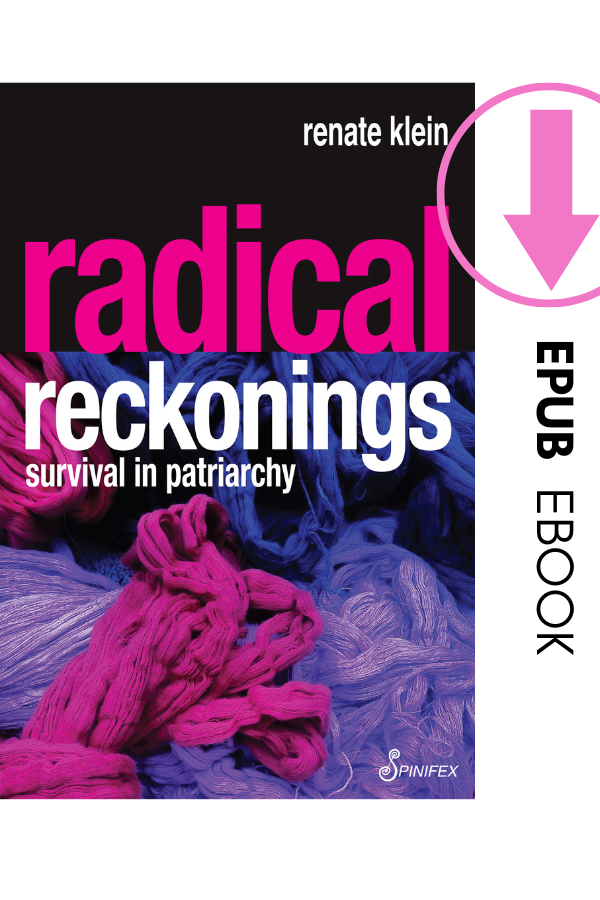
What happens when an old radical lesbian feminist has an idea of publishing a collection of her papers? She looks at her writings and despairs. She has written too much. The idea gets shelved. Fifteen years later, she revisits the project. But it is worse now because she has written more … But being stared down by her publisher she gets a grip and (painfully) pares down her oeuvre to a manageable size.
This then is a skeleton journey through Renate’s life and her survival in patriarchy. The book starts with her passion for autonomous Women’s Studies as an intellectual necessity and radical feminist research methodology to give women a voice. And why men don’t belong in Women’s Studies classes. Next, she documents her immersion in a critique of reproductive technologies as a member of FINRRAGE. We hear about the exploitation of a desire in IVF followed with problems of egg ‘donations’, cloning, and of course the human rights violation of women and children in surrogacy. A critique of the illusion of ‘choice’ – endorsed by liberal feminists – has to be in the book and with it papers on long-acting contraceptives. Necessary warnings about the unethics of hormone replacement therapy and the French abortion pill RU 486 are included too.
As a feminist women’s health activist, Renate Klein has always been concerned about the fact that women are our bodies and that reproductive technologies in tandem with postmodern and queer theories result in the fragmentation and dismemberment of women: from the one an egg, from the other a uterus … this erasure of women is helped by dissociation and a belief in delusions – such as the assault on women’s existence by transgender ideologues.
Aged 80, Renate Klein continues her quest for the liberation of all women, whatever age, sexuality, abilities and wherever we live. She is ‘not dead yet’ and hopes this collection will stir young women into action to continue the crucial rebellion against the system of patriarchy before it fully crushes women, animals and nature.
SEPTEMBER 2025 | ISBN 9781925950977 | 473 pages
Discover our German ebooks here.
We’ve updated our Gender Critical Collection. Buy the pack and save. Order now.
On the Blog
In Truth, Not Lies, Penny Zagarelou-Mackieson explores adoption, surrogacy and why honest birth certificates matter for identity and human rights.
We remember poet, novelist, political theorist and Spinifex Press author, Robin Morgan, who died aged 85. From 1976, Robin was a contributing editor of Ms magazine, founded by her friend and close collaborator Gloria Steinem, and served as its editor in chief from 1989 until 1994. Alongside Steinem and Jane Fonda, she co-founded the Women’s Media Center in 2005.
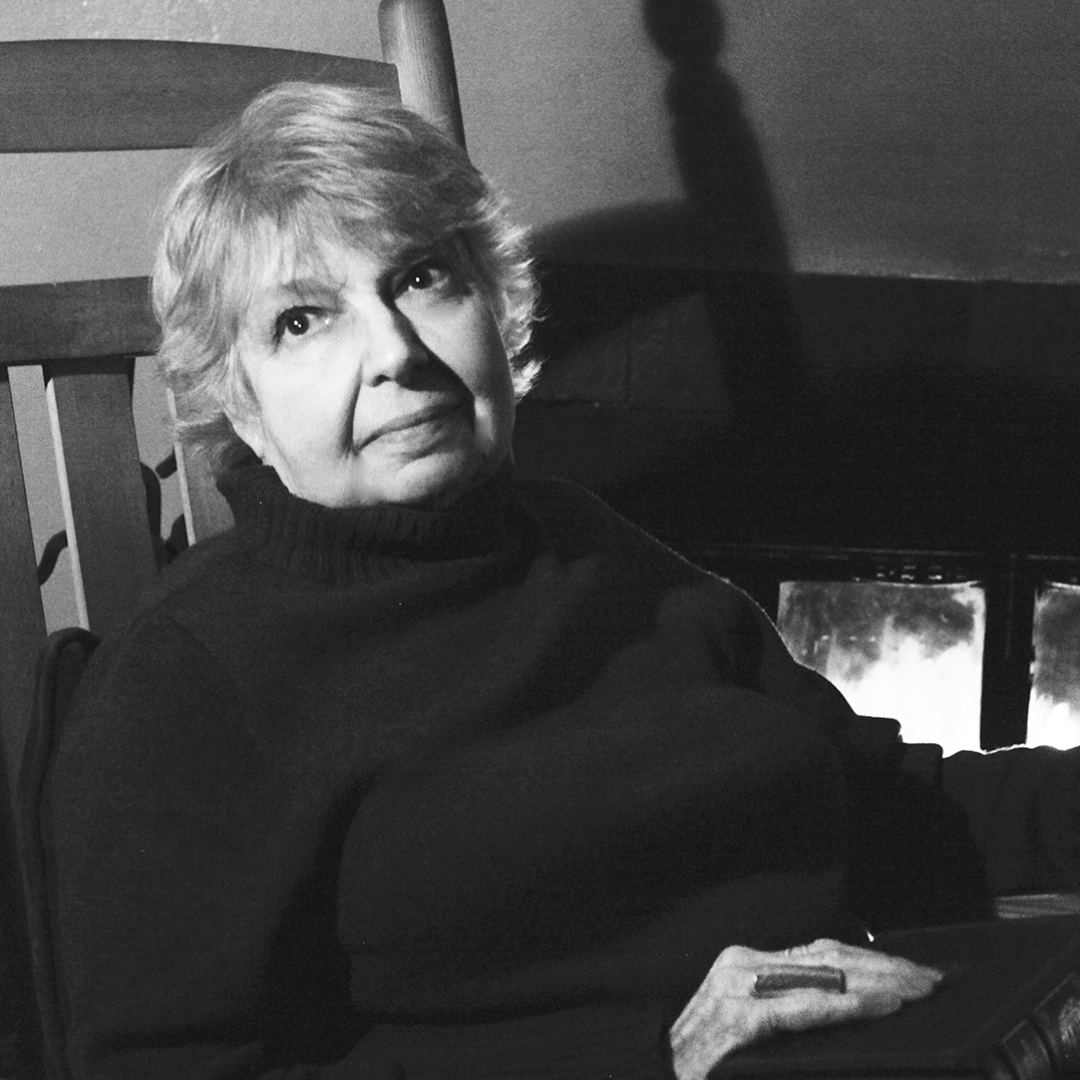
Susan Hawthorne, author of Lesbian: Politics, Culture, Existence shares her presentation from Radical Feminist Voices: Spinifex Panel 1, FiLiA, Brighton, UK, 12 October 2025
More Not Dead Yet stories from inspiring women!
Check out our special Not Dead Yet blog today….
Reprints
It’s 1974 when 20-year-old Grace arrives in London determined to shrug off her Australian past and reinvent herself. While embracing her new life in the Free Republic of Beltonia, a street of communal squats, she’s haunted by the unbearable thought that she might be a lesbian – a fate she considers almost worse than death. Before long, she falls (secretly) in love with Marigold, upper class, enigmatic and avowedly straight. When Marigold mysteriously disappears without a trace, the search for her leads Grace to a life-changing epiphany.
Evoking the spirit of 1970s London through the world of squatting and political protests, street parties, encounter groups and gurus, and the mayhem of a rackety publishing outfit where Grace gets a job, Grace and Marigold is both witty and moving in its exploration of the inner turmoil, and ultimate liberation of a young woman’s journey to self-acceptance.
6 AUGUST 2024 | ISBN 9781922964045 | Paperback | 272 pages | 228 x 152 mm
In this thought-provoking collection of articles drawn from her blog, The 11th Hour, Jennifer Bilek delves into the intricate relationship between transsexualism, transgenderism, and transhumanism. She sheds light on how the push for perceived human rights for marginalized groups often obscures broader societal dynamics.
Jennifer Bilek traces the evolution of transsexualism from a personal fetish into an industry that commodifies human reproductive sex, particularly womanhood. This process divorces it from its biological roots and its connection to the environment, reducing human reproductive sex to medically and technologically manipulated components.
She highlights how young people are sold the notion of expressing themselves and alleviating feelings of dissociation through the purchase of these manufactured identities with the term ‘transgender’.
Through an exploration of the transhumanist movement, Bilek investigates how its proponents blur the boundaries between humanity and mechanization. Society is undergoing a profound transformation away from the biological realities of reproductive sex, driven by emerging technologies that shape children's perceptions of their bodies from an early age. The narrative of gender identity transcendence exploits their vulnerability, pushing them toward an increasingly medicalized future.
Her thorough analysis exposes the technological and financial motivations behind a political agenda masquerading as a human rights movement. This agenda seeks to redefine reproductive norms and propel society toward a posthuman future, ultimately undermining womanhood and eroding women's rights.
2 JULY 2024 | ISBN 9781922964106 | Paperback | 224 pages | 152 mm x 228 mm
‘You ask too many questions, Matilda. It’s not becoming in a girl.’
But Matilda is full of questions. It’s the late 1800s in rural New South Wales and Matilda, as the oldest daughter, is expected to cook, clean and help Mama with her brothers and sisters. But her inquiring mind will not be stilled nor her rebellious spirit tamed. When frustration overcomes her, she finds escape in the land she loves and in her imagination, nourished by books.
In the rust red landscape, both striking and harsh, and against the backdrop of World Wars and a changing Australia, Matilda is torn between her desire for freedom and allegiance to her growing family. With their never-ending demands, and crises of poverty, drought and illness, what Matilda really wants seems further from her reach. Will she ever see the sea? Have a vocation and earn her own money? Have the time to read?
This sweeping novel brings to life the injustices faced by women in the 1800s and 1900s. Punctuated with betrayal and loyalty, hope and despair, love and loss, Matilda and her family come alive showing how the grip of patriarchy tried to strangle the ambitions of women, but there were women who refused to give up.
OCTOBER 2023 | ISBN 9781925950854 | Paperback | 320 pages | 229 x 152 mm
Powerfully evoking time and place, a compelling portrait of an extraordinary woman in an ordinary man's world.
—Noni Hazlehurst
The wooden stair was just as she had imagined it, even down to the creak in its second-to-bottom step. But the tower room was lovely beyond anything she could have dreamed – afloat at the level of the treetops, it seemed to Dorelia more like a boat than a room, with everything that might trouble her banished.
Widowed after a long marriage, Dorelia MacCraith swaps the family home for a house with a tower, and there, raised above the run of daily life, sets out to rewrite the stories of old women poorly treated by literature.
Throughout this winding story, Dorelia and the elderly artist Elizabeth Bunting are sustained by a friendship that reaches back to their years at art school, and bonded by the secrets of a six-month period when they painted together in France.
The loneliness of not belonging, of being cut adrift by grief, betrayal, or old age, binds these twelve connected stories into a dazzling composite novel. Within its complex crossings and connections, young and old inhabit separate yet overlapping firmaments; grown children, though loved and loving, cannot imagine their parents’ young lives. For most, the past is not past, but exerts a magnetic pull, while future happiness hinges on retreat, or escape.
OCTOBER 2022 | 9781925950625 | Paperback | 300 pages | 216 x 140 mm
Lévi-Strauss tried to convince women that we are spoken, exchanged like words; Lacan tried to teach women we can’t speak, because the phallus is the original signifier; and then Derrida says that it doesn’t matter, it’s just talk. Foucault, Derrida, Lacan, Nietzsche: the chant resonates through universities around the world. Have you ever tried to untangle the words of postmodernist theorists? How to find your way through the labyrinth to sense and clarity? If so, this is the book for you.
First published in 1992, second edition published 1993, reprinted 2022
ISBN 9781925950724 | Paperback | 152 mm x 228 mm | 178 pp
Lynne Spender (ed)
These heart-warming tales of trials tribulations and trysts at Australia’s only ocean pool just for women – will make you want to dive in, naked at midnight, to revel in all that joyous aquatic camaraderie.
—Kathy Lette, Writer, ocean swimmer and shameless sea pool skinny dipper.
The history of Coogee’s McIver’s Ladies Baths – Australia’s only ocean pool reserved for women – is eloquently told in these stories from women who have found friendship, sanctuary and sheer pleasure as they have gathered and swum at ‘the Women’s Pool’.
Humorously told tales of encounters at the pool sit together with stories of sorrow and regret. Older women tell of the history of the pool and the famed ‘Thursday Married Ladies Club’; younger women detail their delight at the natural beauty, the safety and the sense of freedom that the pool offers. No aquatic manspreading here.
In this book, women from a diverse range of cultures reveal the role that the women’s pool has played in their lives. From the ‘365ers’ who brave the elements all year round to the younger women who seek summer sun on the rocks, a picture emerges of a place of natural beauty and a space for women to simply be themselves.
The ancient seasonal cycles find their own rhythm at our pool, at our place of ‘women’s business’. In the vastness of the largest Continent on Earth, it is a tiny space of companionship if wanted, or solitude if needed.
—Mary Goslett
The Baths welcomes us to its shelves of stone and grass for drying off, to doze, to talk, to preen, to gaze into the aqua green, ivory and midnight blue pool, to the rocks and outcrops either side, and the Pacific Ocean beyond.
—Jane Messer
NOVEMBER 2021 | ISBN 9781925950458 | Paperback | 140 x 210 mm | 160 pp
I can see how I carry Yiayia’s war
in the ample dunes of my belly,
the moment she smelt the guns,
she pinched the candle’s wick,
gathered the startled shadows of her children,
flung my baby-mother onto her back
and sprinted towards the neutral moon—
Migration and the memories of women’s traditions are woven throughout these poems. Angela Costi brings the world of Cyprus to Australia. Her mother encounters animosity on Melbourne’s trams as Angela learns to thread words in ways that echo her grandmother’s embroidery. Here are poems that sing their way across the seas and map histories.
Winner Greek Australian Cultural League Poetry Book Prize (in English) 2022
MARCH 2021 | 9781925950243 | Paperback | 210 x 146 mm | 96 pp
Transgenderism in the twenty-first century is patriarchy emblazoned in imperial form.
At a time when supposedly enlightened attitudes are championed by the mainstream, philosopher and activist Heather Brunskell-Evans shows how, in plain view under the guise of liberalism, a regressive men’s rights movement is posing a massive threat to the human rights of women and children everywhere.
This movement is transgender politics which, while spouting platitudes about equality, is in reality colonising and erasing the bodies, agency and autonomy of women and children, while asserting men’s rights to bodily intrusion into every social and personal space. The transgender agenda redefines diversity and inclusion utilising the language of victimhood.
In a complete reversal of feminist gender critical analyses, sex and gender are redefined: identity is now called ‘innate’ (a ‘feeling’ located somewhere in the body) and biological sex is said to be socially constructed (and hence changeable). This ensures a lifetime of drug dependency for transitioners, thereby delivering vast profits for Big Pharma in a capitalist dream.
Everyone, including every trans person, has the right to live freely without discrimination. But the transgender movement has been hijacked by misogynists who are appropriating and inverting the struggles of feminism to deliver an agenda devoid of feminist principles.
In a chilling twist, when feminists critique the patriarchal status quo it is now they who are alleged to be extremists for not allowing men’s interests to control the political narrative. Institutions whose purpose is to defend human rights now interpret truth speech as hate speech, and endorse the no-platforming of women as ethical.
This brave, truthful and eye-opening book does not shirk from the challenge of meeting the politics of liberalism and transgender rights head on. Everyone who cares about the future of women’s and children’s rights must read it.
The micro-politics and the macro-politics of identity interact to form one of the most misogynistic expressions of patriarchy in recent times under the guise of equality, diversity and inclusion.
OCTOBER 2020 | ISBN 9781925950229 | Paperback | 135 x 180 mm | 190 pages
THIS BOOK IS PART OF THE GENDER CRITICAL COLLECTION & THE SPINIFEX SHORTS COMPLETE COLLECTION
For more paperback copies, please visit IPG Book in the US or Gazelle Book Services in the UK
Vandana Shiva with Kartikey Shiva
Widespread poverty and malnutrition, an alarming refugee crisis, social unrest, economic polarisation... have become our lived reality as the top 1% of the world’s seven-billion-plus population pushes the planet – and all its people – to the social and ecological brink. In Oneness vs The 1%, Vandana Shiva takes on the Billionaires Club of Gates, Buffett, Zuckerberg and other modern Mughals, whose blindness to the rights of people, and to the destructive impact of their construct of linear progress, have wrought havoc across the world. Their single-minded pursuit of profit has undemocratically enforced uniformity and monocultures, division and separation, monopolies and external control – over finance, food, energy, information, healthcare, and even relationships.
Basing her analysis on explosive little-known facts, Shiva exposes the 1%’s model of philanthrocapitalism, which is about deploying unaccountable money to bypass democratic structures, derail diversity, and impose totalitarian ideas, based on One Science, One Agriculture and One History. She calls for the “resurgence of real knowledge, real intelligence, real wealth, real work, real well-being”, so that people can reclaim their right to: Live Free. Think Free. Breathe Free. Eat Free.
2018 | ISBN 9781925581799 | Paperback | 215 x 140 mm | 192 pp
EBOOK AVAILABLE
The pathology of patriarchy, the idea that one group of people should control another—even own them, own even life itself—is at the core of today’s crises.
The End of Patriarchyasks one key question: What do we need to create and maintain stable, decent human communities that can remain in a sustainable relationship with the larger living world?
Robert Jensen’s answer is feminism and a critique of patriarchy.
He calls for a radical feminist challenge to institutionalized male dominance; an uncompromising rejection of men’s assertion of a right to control women’s sexuality and reproduction; and a demand for an end to the violence and coercion that are at the heart of all systems of domination and subordination.
The End of Patriarchy makes a powerful argument that a socially just society requires no less than a radical feminist overhaul of the dominant patriarchal structures.
2017 | ISBN 9781742199924 | Paperback | 192 pages
eBook Available
For more paperback copies, please visit IPG Book in the US or Gazelle Book Services in the UK
Misogyny Re-loaded is an explosive manifesto against the resurgent sexual fascism of the new world order. By exposing the casual acceptance of snuff pornography in gore culture through to the framing of rape as slapstick, Abigail Bray links the celebration of sexual sadism to the rise of an authoritarian culture of militarised violence. Arguing that a meaningful collective resistance has been scattered by the mass destruction of genuine social and economic security for ordinary women, Misogyny Re-loaded presents a scathing critique of the political drool of mainstream billionaire-friendly feminism.
Drawing on a wide range of resources from popular culture, literature, economics, psychiatry, psychology, philosophy and environmental science, this book offers a warning about the growing social and environmental threat of an out-of-control military industrial complex.
2013 | 9781876756901 | Paperback | 215 x 138 mm | 161 pp
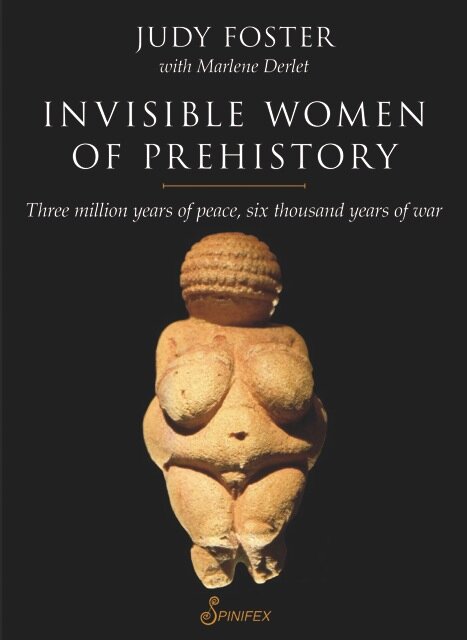
with Marlene Derlet
Invisible Women of Prehistory is a revolutionary book that challenges our preconceptions about the past.
We often think of history as a linear development in which we are steadily moving out of a violent and patriarchal past to a more equitable and peaceful future. While we have no shortage of wars – and the incidence of violence against women is alarmingly high – we are told that humans have never lived in such peaceful times. We continually hear that our predecessors were violent but also that patriarchy is inevitable and universal. But what if none of this were true? What if we were descended from peaceful societies in which women were respected and equal to men? Would this inspire us to seek new ways of organizing our lives and of interpreting the present?
Based on many years of research into ancient history and prehistory, Judy Foster and linguist Marlene Derlet take on the world. They argue that three million years of peace, a period when women’s status in society was much higher than it is now, preceded the last six thousand years of war during which men have come to hold power over women.
They challenge the academic resistance to these ideas and re-examine both the archaeological work of Marjia Gimbutas and recent research into the prehistories of Africa, East and South Asia, the Americas, Australia, South-East Asia and Oceania.
2013 | ISBN 9781876756918 | Paperback | 240 x 170 mm | 404 pp | LOW STOCK - ALSO AVAILABLE AS EBOOKS
Fish-Hair Woman is a novel of many rooms running between love and war. In 1987 the Philippine government fights a total war against communist insurgency. The village of Iraya is militarised. The days are violent and the nights heavy with fireflies in the river where the dead are dumped. With her twelve-metre hair, Estrella the Fish-Hair Woman trawls the corpses from the water, which now tastes of lemongrass. She falls in love with the visiting Australian writer Tony McIntyre who disappears in the conflict.
2012 | ISBN 9781876756970 | Paperback | 230 x 155 mm | 206 pp
It is now widely acknowledged that the unprecedented mainstreaming of the global pornography industry is transforming the sexual politics of intimate and public life, popularising new forms of hardcore misogyny, and strongly contributing to the sexualisation of children. Yet challenges to the pornography industry continue to be dismissed as uncool, anti-sex and moral panics.
With contributions from leading world experts and activists, Big Porn Inc offers a cutting edge exposé of the hidden realities of a multi-billion dollar global industry that promotes itself as a fashionable life-style choice.
Unmasking the lies behind the selling of porn as ‘just a bit of fun’ Big Porn Inc reveals the shocking truths of an industry that trades in violence, crime and degradation. This fearless book will change the way you think about pornography forever.
Contributors include: (Australia) Maggie Hamilton, Nina Funnell, Christopher Kendall, Susan Hawthorne, Sheila Jeffreys, Caroline Taylor, Meagan Tyler, Robi Sonderegger, Caroline Norma, Renate Klein, Helen Pringle, Betty McLellan, Melinda Tankard Reist, Abigail Bray, Melinda Liszewski.
(International) Gail Dines, Catharine A MacKinnon, Melissa Farley, Diana Russell, Robert Jensen, Jeffrey Masson, Chyng Sun, Julia Long, Diane L Rosenfeld, Linda Thompson, Hiroshi Nakasatomi, Anne Mayne, Ruchira Gupta, Asja Armanda, Natalie Nenadic, Anna van Heeswijk, Matt McCormack Evans.
2011 | ISBN 9781876756895 | Paperback | 225 x 150 mm | 343 pages
What do Halloween, Atlantis, Subaru, the American Presidential elections, the Petticoat Lane markets in London, the ship Titanic and atlases all have in common? Each can be traced to the legends of the Seven Sisters of the Pleiades. Poets, priests, prophets, shamans, storytellers, artists, singers and historians throughout time have all gazed into the night skies and come under their spell.
Inspiring and captivating diverse civilisations, this star cluster has left an indelible mark on the human psyche. Munya Andrews, a Bardi woman from the Kimberley region of Western Australia, examines the myths and legends of the Pleiades from Indigenous and ancient cultures around the world. Designated at M45 on astronomy charts and maps, the nine visible stars are named after the Seven Sisters from Ancient Greek mythology, and their parents, Atlas and Pleione.
Around the world, people looked to the skies to tell them when to sow and harvest their crops, and when the rains would come. The ‘sailing stars’ have guided explorers and endless migrations of people. In Old Europe, among the Ainu of Japan and in Indigenous Australia the Pleiades were associated with water and birds. They become Oceanids, Ice Maidens, Water Girls and the Subaru. The Parthenon in Athens, the Great Pyramid of Giza in Egypt and the Mayan Temple of the Sun in Cuzco, are all said to be aligned with the Pleiades. The Seven Sisters of the Pleiades will amaze and awe you, and above all will remind you that all of humanity shares the night skies.
2004 | ISBN 9781876756451 | Paperback | 217 x 138 mm | 368 pp
‘I was running a workshop in the Kimberleys, and in the circle a woman began to speak from a place of deep pain and despair. She described herself as bad, dirty, ugly, words she had taken into herself from childhood experiences of abuse. I lent forward and sang her a song. “How could anyone ever tell you, you are anything less than beautiful ...” While sitting with her, as the words settled into her soul, another woman said to the circle: you are recreating song lines — from trauma trails. I was honoured by this description of my work.’
Providing a startling answer to the questions of how to solve the problems of generational trauma, Trauma Trails moves beyond the rhetoric of victimhood, and provides inspiration for anyone concerned about Indigenous and non-Indigenous communities today. Beginning with issues of colonial dispossession, Judy Atkinson also sensitively deals with trauma caused by abuse, alcoholism and drug dependency.
Then, through the use of a culturally appropriate research approach called Dadirri: listening to one another, Judy presents and analyses the stories of a number of Indigenous people. From her analysis of these “stories of pain, stories of healing”, she is able to point both Indigenous and non-Indigenous readers in the direction of change and healing.
2002 | ISBN 9781876756222 | Paperback | 217 x 140 mm | 324 pp
BESTSELLER
New to Radical Feminism?
Read more about the books in our RADFEM STARTER PACK on our blog. Buy all five books with this special curated collection. Let Spinifex Press help get your radfem library off to a flying start! Order now.
New on YouTube
Keep up-to-date with launches and special events. Below you will find a selection of videos to watch on our YouTube Channel.
Consider subscribing to it today!
A poem can glisten like a fresh wound.
Usha Akella pays tribute to the lives of women from cultures across continents, while reflecting on her own life. Her poems are the medium for women who refuse to be silenced. She condenses a calm rage into ferocious words of precision and celebrates the women who have triumphed. All the while a subversive dusting of humour runs through the collection.
This is poetry that cannot be ignored.
Rage has no caste, needs no algorithm,
light a pyre with it
of chopped thumbs and scripted dreams
MARCH 2021 | 9781925950281 | Paperback | 155 x 234 mm | 144 pages
Statement from Spinifex Press
#WeStandWithUshaAkella
Men’s rights are alive and well in India.
We have been subject to a mass outpouring from Men’s Rights Activists who have targeted Usha Akella’s book I Will Not Bear You Sons and placing one star reviews on the Amazon India website and other sites in protest of its publication.
MRAs have taken exception to a line quoted in online book reviews (regarding aborting male fetuses) and have not looked at the poem in its full context. If they had looked at the context, it is the speaking character answering her tyrannical father-in-law who wants the speaker to have only sons.
Usha’s poetry is brave and brilliant. We stand behind this book and trust you will too.
Munya Andrews
What do Halloween, Atlantis, Subaru, the American Presidential elections, the Petticoat Lane markets in London, the ship Titanic and atlases all have in common? Each can be traced to the legends of the Seven Sisters of the Pleiades. Poets, priests, prophets, shamans, storytellers, artists, singers and historians throughout time have all gazed into the night skies and come under their spell.
Inspiring and captivating diverse civilisations, this star cluster has left an indelible mark on the human psyche. Munya Andrews, a Bardi woman from the Kimberley region of Western Australia, examines the myths and legends of the Pleiades from Indigenous and ancient cultures around the world. Designated at M45 on astronomy charts and maps, the nine visible stars are named after the Seven Sisters from Ancient Greek mythology, and their parents, Atlas and Pleione.
Around the world, people looked to the skies to tell them when to sow and harvest their crops, and when the rains would come. The ‘sailing stars’ have guided explorers and endless migrations of people. In Old Europe, among the Ainu of Japan and in Indigenous Australia the Pleiades were associated with water and birds. They become Oceanids, Ice Maidens, Water Girls and the Subaru. The Parthenon in Athens, the Great Pyramid of Giza in Egypt and the Mayan Temple of the Sun in Cuzco, are all said to be aligned with the Pleiades. The Seven Sisters of the Pleiades will amaze and awe you, and above all will remind you that all of humanity shares the night skies.